Stakeholders Advocate for Sanctions Against Data Falsification; Call for Digital Transformation of Education Data at NIEPA National EMIS Retreat
Reported by Bodunde Tenabe
ONDO, NIGERIA – Education stakeholders and data experts have called for the strict enforcement of the National Bureau of Statistics (NBS) Act to sanction public officials found aiding and abetting the falsification or hoarding of educational data.
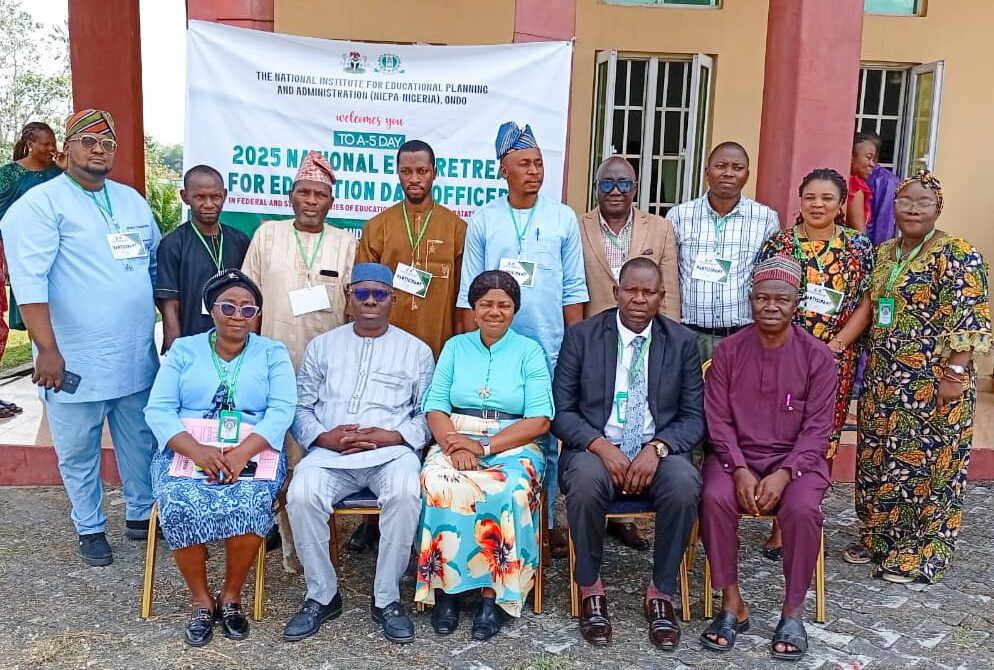
This resolution was part of the communiqué issued at the conclusion of the 5-day National Education Management Information System (EMIS) Retreat held at the corporate headquarters of the National Institute for Educational Planning and Administration (NIEPA), Ondo, from November 24th to 28th, 2025.
The retreat, themed “Data and Digital Transformation for Effective Education Service Delivery in Nigeria,” convened data officers from across MDAs of the federation to address critical gaps in the Nigerian education data ecosystem.
In her welcome address, the Head of Training and Research at NIEPA, Dr. Lara Ogunsola, noted that the retreat served as a strategic platform to “strengthen the backbone of the education data system.” She emphasized that for planning to be effective, the capacity of data officers must evolve in tandem with technological advancements. Dr. Ogunsola charged the participants to view themselves not just as record keepers, but as the architects of Nigeria’s educational future, urging them to maximize the training to drive evidence-based decision-making in their respective states.

Declaring the retreat open on behalf of the Federal Ministry of Education NEMIS Director, Mr. Matthew Ngajisor, the Acting Director-General and Chief Executive of NIEPA, Dr. David Shofoyeke, emphasized that accurate data is the bedrock of effective policy-making. Dr. Shofoyeke identified the “availability, submission, and credibility” of data as the sector’s major hurdles.
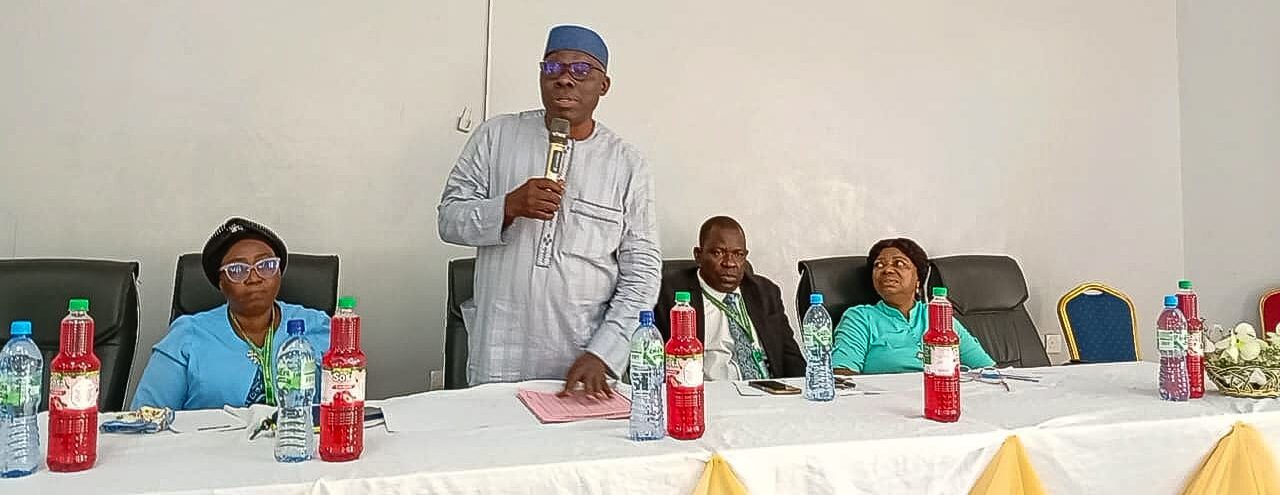
“The importance of data cannot be overemphasized across all levels of education, whether Basic, Secondary, or Tertiary,” Dr. Shofoyeke stated. “However, we must critically ask: how sure are we that the data collected is reliable? We must ensure our Annual School Censuses are appropriate and credible.” He concluded by warning that without integrity in data collection, national planning becomes a game of guesswork, and he challenged the participants to return to their stations as vanguards of transparency and accuracy.

The technical sessions marked a shift from traditional record-keeping to advanced digital solutions. Participants underwent hands-on training on data security using VeraCrypt, data visualization using R Studio, and the integration of emerging technologies such as Artificial Intelligence (AI), Machine Learning, and Cloud Computing into the national EMIS framework.
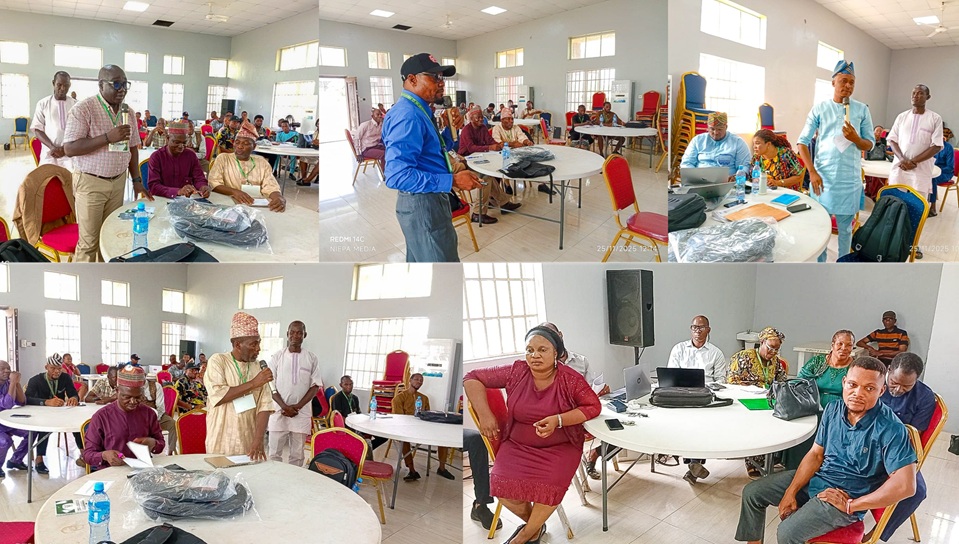
Facilitators, including the Director of NEMIS at the Federal Ministry of Education, Mr. Matthew Ngajisor who presented the lead paper and other seasoned experts from NIEPA, guided participants through the complexities of transitioning from analogue to digital reporting. Their expertise shown brightly as a testament to NIEPA’s enduring reputation as the nation’s premier citadel for capacity building and manpower development in the education sector.
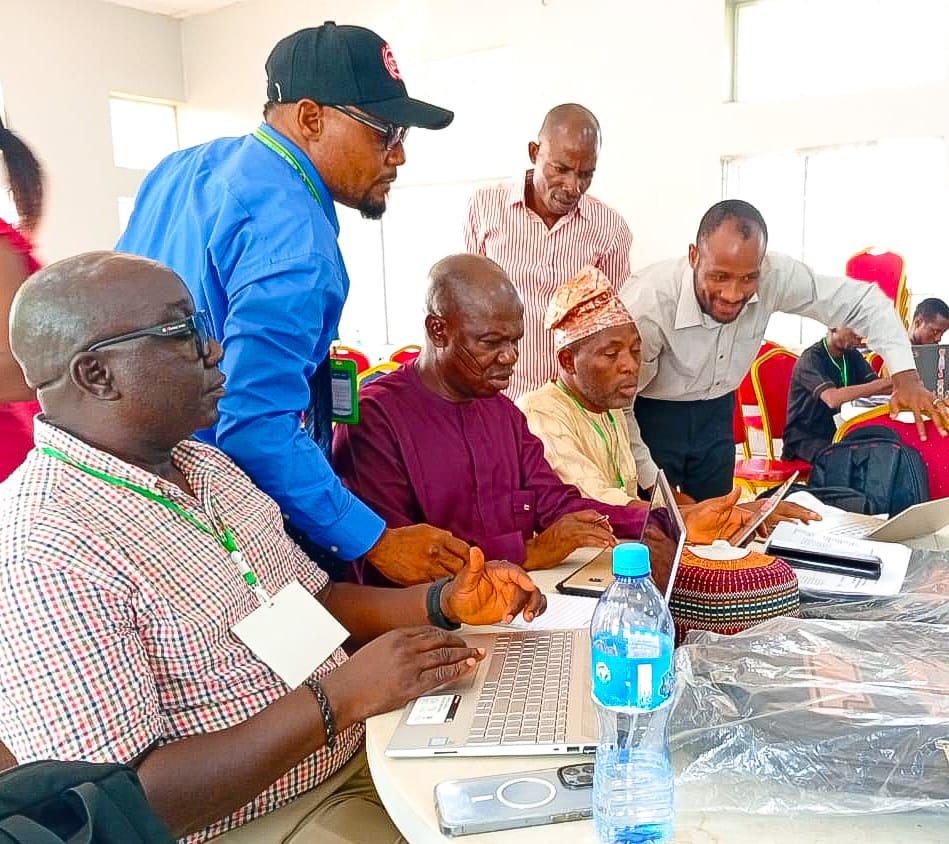
Despite the success of the technical sessions, the communiqué issued at the end of the retreat, noted several challenges hindering the sector, including inadequate infrastructure at State EMIS centers, poor record-keeping by school managers, and non-compliance by private schools in releasing data. To bridge these gaps, the stakeholders recommended sanctions for integrity breaches, mandatory capacity building, infrastructure overhauls, and strict monitoring of head teachers to ensure effective record-keeping and data transparency.
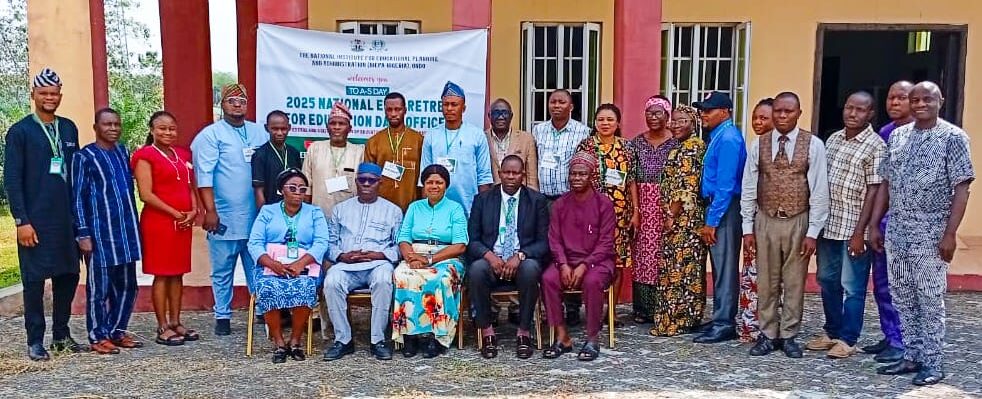
The retreat featured participants from UBEC Abuja, Teachers Registration Council of Nigeria (TRCN), and Ministries of Education and Boards from Osun, Adamawa and Edo States.