NIEPA Management and Staff Synergize on Robust Security Architecture Following DSS Briefing
By Bodunde Tenabe
New Media Officer, NIEPA, Ondo
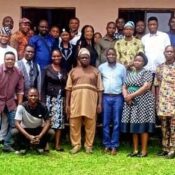
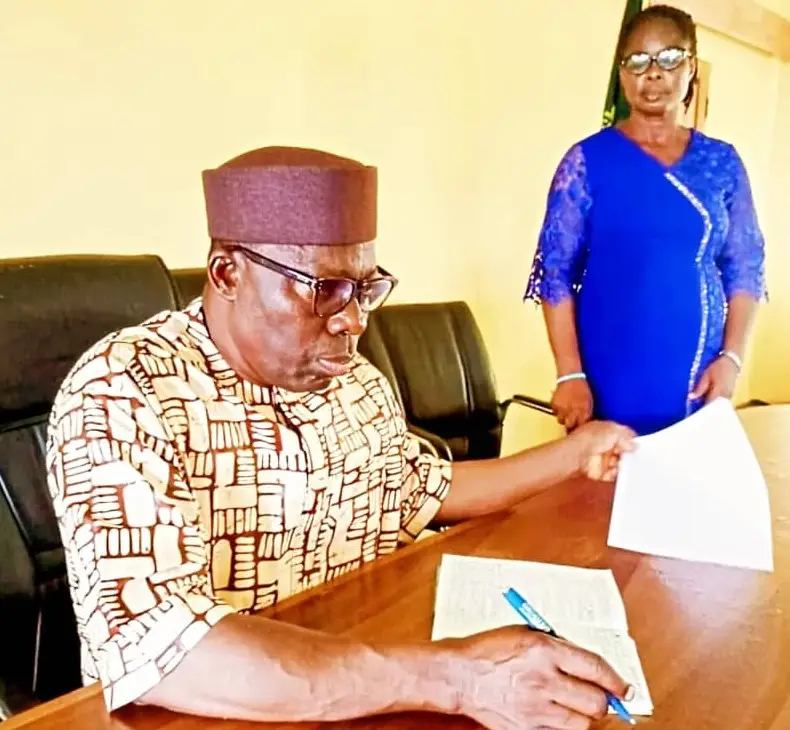
ONDO – In a powerful display of institutional synergy and proactive leadership, the National Institute for Educational Planning and Administration (NIEPA) held simultaneous departmental security meetings on Tuesday, 31st March 2026, to cascade critical safety protocols to every member of the Institute.
Directed by the Acting Director-General, Dr. David Shofoyeke, the synchronized briefings demonstrated a seamless flow of communication from the top tiers of management down to every staff member, reinforcing the Institute’s commitment to maintaining a secure and productive working environment.




The catalyst for this sweeping institutional action was a high-level Security Awareness Briefing held on Wednesday, 25th March 2026, between NIEPA’s expanded management team and officials from the Department of State Services (DSS), Ondo State Command. This crucial intervention was necessitated by the rumoured kidnappings and curfews within the neighboring Akure metropolis, coupled with alarming rumors of similar threats encroaching upon Ondo city, the Institute’s host community. Rather than waiting for a localized crisis to occur, Management took decisive, proactive measures. This step aligns perfectly with the improved national security architecture and the “Renewed Hope” mandate handed down by the President, which firmly prioritizes the safeguarding of lives and institutions. Driven by a mandate to transition the Institute’s security posture from a reactive to a highly proactive one, Dr. Shofoyeke instructed all Heads of Departments and Units who attended the DSS session to immediately relay the intelligence and behavioral directives to their respective teams.
Answering this call with impressive coordination, the cascading meetings took place simultaneously across the Directorate, Registry, Bursary, Training and Research, ICT, Estate Works and Services, and the Publication and Documentation departments. This synchronized approach ensured that no unit was left behind and that a unified security narrative was established across the expansive campus.
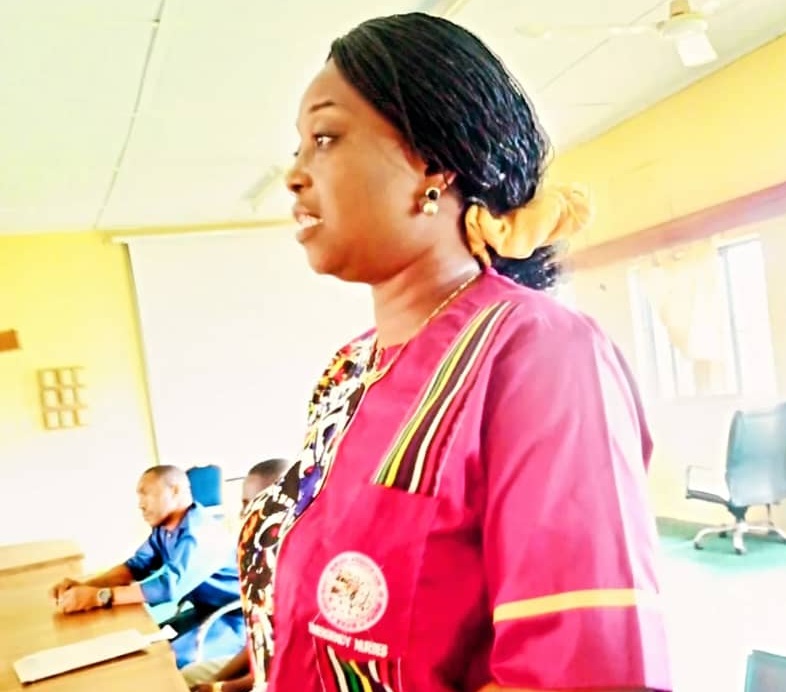
During these sessions, unit heads expertly distilled the DSS directives, outlining imminent infrastructural upgrades such as the deployment of drones, CCTV installations, and reinforced access control measures. Beyond structural improvements, the core focus across all departmental gatherings was the vital role of individual responsibility in the broader security architecture.



Staff members engaged in robust, interactive discussions, mutually agreeing to enforce strict compliance with routine checks at the main gates without exception. There was a shared understanding regarding the necessity of situational awareness, particularly for those navigating the Institute’s farmlands and peripheral areas. Furthermore, the meetings emphasized strict information discipline, urging staff to manage their digital footprints by refraining from broadcasting sensitive institutional movements or personal travel itineraries on social media platforms.
The simultaneous briefings also served as an effective platform for rumor management. It allowed management to directly dispel unfounded fears regarding the safety of the roads leading to the Institute, while equipping staff with the factual context of the broader security climate in the South-West.
The remarkable cooperation witnessed during these sessions highlights a deep-seated synergy between the Acting Director-General, unit heads, and the general workforce. By uniting under the “See Something, Say Something” principle, NIEPA community has collectively fortified its defenses, ensuring that the Institute remains a safe, peaceful, and thriving hub for educational planning and administration.