Data-Driven Systems: NIEPA-Nigeria Hosts Historic International DPRS Conference in Ondo
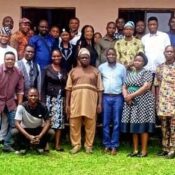
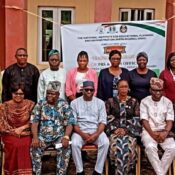
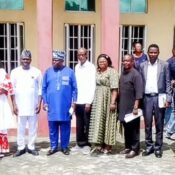
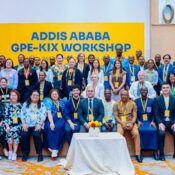
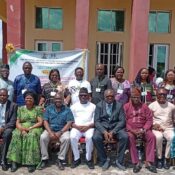
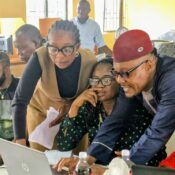
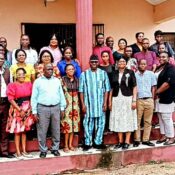
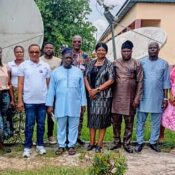
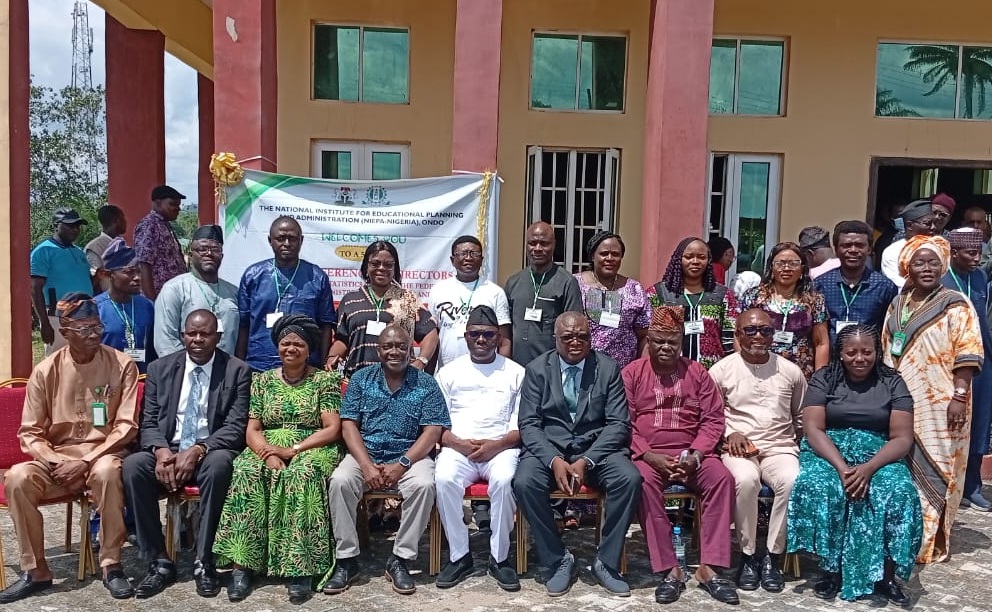
ONDO CITY — The National Institute for Educational Planning and Administration (NIEPA-Nigeria) successfully concluded a historic International Conference for Directors of Planning, Research, and Statistics (DPRS) held from 22nd through 26th June 2026, in Ondo City, solidifying its role as a premier hub for cross-border educational innovation and data-driven systems. Themed “Strengthening Education Data Systems for Evidence-Based Planning and Decision Making,” the landmark event attracted a veritable assembly of educational juggernauts—comprising directors, deputy directors, EMIS officers, and educational planners from across Nigeria—alongside a high-level international delegation from the Institute for Educational Planning and Administration (IEPA), Ghana.
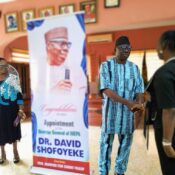
The opening ceremony set a high-profile tone for the week-long intellectual engagements, expertly steered by the Institute’s Media Officer and anchor, Mr. Tenabe Bodunde. He unveiled a roll call of distinguished dignitaries who graced the occasion to include: the Director-General and Chief Executive of NIEPA, Dr. David Shofoyeke; the Director-General of IEPA Ghana, Prof. Michael Boakye-Yiadom; the Deputy Director-General of IEPA Ghana, Prof. Alfred Ampah-Mensah; the Secretary-General of the Nigeria National Commission for UNESCO (NATCOM/UNESCO), Dr. Idowu Olagunju; the Director of NEMIS at the Federal Ministry of Education, Mr. Mathew Ngajisor; and the Registrar and Secretary to Council of NIEPA, Dr. Festus Olaolu.


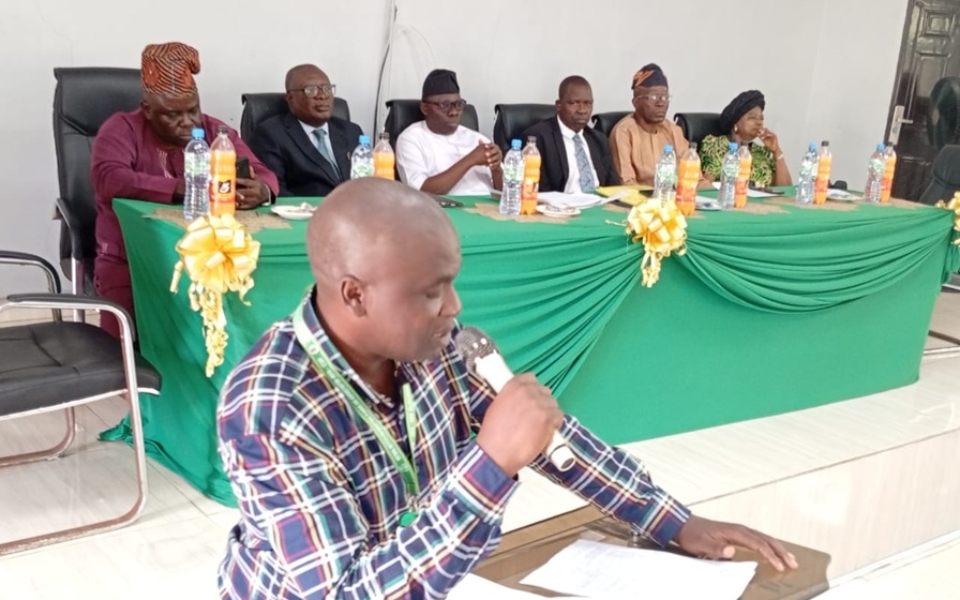
Taking the podium to deliver the official welcome address, Dr. Shofoyeke addressed the gathered directors and planners, highlighting the conference as a crucial platform for shaping education policy. Asserting NIEPA’s core mandate,he described the Institute as a powerhouse for the capacity building of educational planners and managers, emphasizing that the Institute is deeply committed to supporting states in building and developing comprehensive education sector plans. He noted that evidence-based planning relies on the utilization of reliable data to shape policies, allocate resources, and evaluate outcomes, pointing out that fragmented and inaccurate data severely hinders national progress. Dr. Shofoyeke rounded up his address by inviting the participating directors to consistently leverage the Institute’s expertise for their capacity development needs.
Lending a vital pan-African voice to the gathering, Prof. Michael Boakye-Yiadom delivered an international goodwill address, bringing warm, fraternal greetings from the Republic of Ghana. Positioning the event as a strategic exchange programme between two institutions with remarkably similar mandates, he reflected deeply on the conference’s theme, noting that strengthening education data systems is not merely a technical exercise, but the very foundation of Africa’s developmental future. He underscored the transformative power of data-driven forecasting, emphasizing that reliable data is the essential tool enabling a nation to project its future workforce needs—accurately forecasting the required number of critical professionals, spanning healthcare, law, engineering, and other specialized sectors, necessary to sustain a nation’s growth. He concluded by noting that without the foresight provided by such data, meaningful national projection becomes an impossibility.
Echoing these progressive sentiments, Dr. Idowu Olagunju L. delivered his goodwill message, praising the NIEPA management under Dr. Shofoyeke’s leadership for the massive transformation witnessed at the Institute within such a short time. He noted that having been privy to the deplorable condition of the Institute in the past, he was immensely proud to see it now operating on such a strong, stable footing, before commending the Honourable Minister of Education, Dr. Maruf Tunji Alausa, for passionately prioritizing data gathering in the educational sector.


The keynote address was delivered virtually by Mrs. Obianuju Anigbogu, Director of Educational Planning and Development at the Federal Ministry of Education. Joining the conference online to ensure an uninterrupted administrative flow, she detailed significant reforms under the Nigeria Education Sector Renewal Initiative (NESRI), including initiatives in TVET, STEMM, and teacher education. Before officially declaring the conference open, she delivered a resounding charge on behalf of the Honourable Minister, challenging the assembled directors, deputy directors, and planners to fiercely champion these data-driven reforms in their respective domains, ensuring that empirical evidence, rather than intuition, dictates all future educational investments.
Bringing the opening ceremony to a formal close, Dr. Festus Goke Olaolu delivered a vote of thanks that breathed life into the proceedings, painting the conference as a vibrant tapestry of shared vision and the beginning of a new chapter for the education sector, while affirming NIEPA’s readiness to act as the clearinghouse for educational reform.
The technical sessions commenced with Dr. Idowu Olagunju L. presenting the lead paper, where he employed a compelling analogy, likening education data to the vital lifeblood of the human body. He detailed the architecture of the Education Management Information System (EMIS), the challenges facing data systems in Nigeria, and the critical need for a collective commitment to improving data quality. Following this, Dr. Lara Ogunsola emphasized that data must be truthful, factual, and integrity-driven, explaining how interoperability and analytics are essential for resource allocation.
Mr. Mathew Ngajisor, Director of NEMIS at the Federal Ministry of Education, detailed the optimization of EMIS, highlighting the introduction of a harmonized portal to integrate multiple datasets into a single source of truth. Dr. Sunday Adegbesan facilitated an interactive session on professional experience sharing, recommending the establishment of education data dashboards alongside strengthened Monitoring, Evaluation, and Learning (MEL) systems.
Prof. Michael Boakye-Yiadom returned to the stage to discuss integrating African Indigenous Knowledge Systems with modern data practices, advocating for more equitable and culturally responsive education data systems.
The integration of advanced technologies was a central focus, led by Dr. Seun Yusuf. He presented on the application of Advanced Analytics, Artificial Intelligence (AI), and Data Quality Systems, demonstrating the use of AI tools like ChatGPT, Power BI, and R Software for predictive modeling and decision support. Dr. Nojeem Oresajo rounded out the presentations by discussing the translation of data into actionable policy, emphasizing the critical role of well-crafted policy briefs in bridging the gap between evidence and implementation.
The conference concluded with the presentation of a robust communiqué, drafted by a committee led by Mr. Tijani Rasheed Adekunle, which outlined key observations and actionable recommendations, urging governments to modernize infrastructure and mandate the use of educational data in resource allocation. The communiqué also called for NIEPA to convene a high-level engagement with Commissioners of Education to reinforce these data-driven strategies.
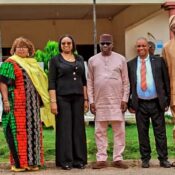
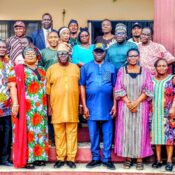
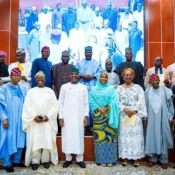
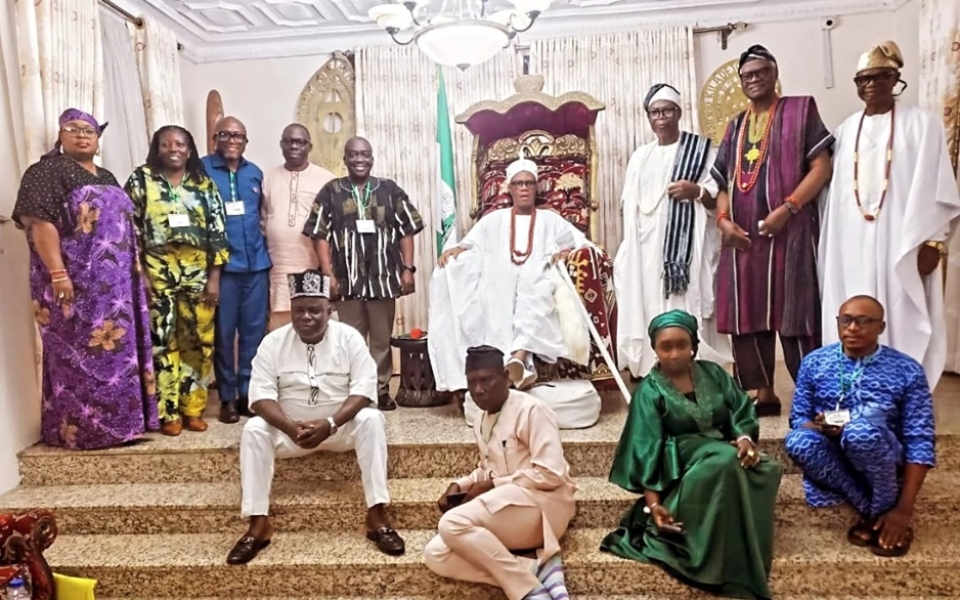
To add vibrant cultural spice to the week-long intellectual engagements, the NIEPA Management, alongside the Ghanaian delegation, paid a historic courtesy visit to the palace of the Osemawe and Paramount Ruler of Ondo Kingdom, His Imperial Majesty, Oba Dr. Victor Adesimbo Kiladejo, CFR, Jilo III. The royal reception celebrated pan-African heritage and the shared vision of community-driven educational advancement, with the Odofin of Ondo Kingdom passionately advocating for indigenous “Africanism” in educational narratives, perfectly capping off a week of diplomacy and international administrative success.