NIEPA and FRSC Deepen Institutional Synergy on Safety Compliance and Civic Education
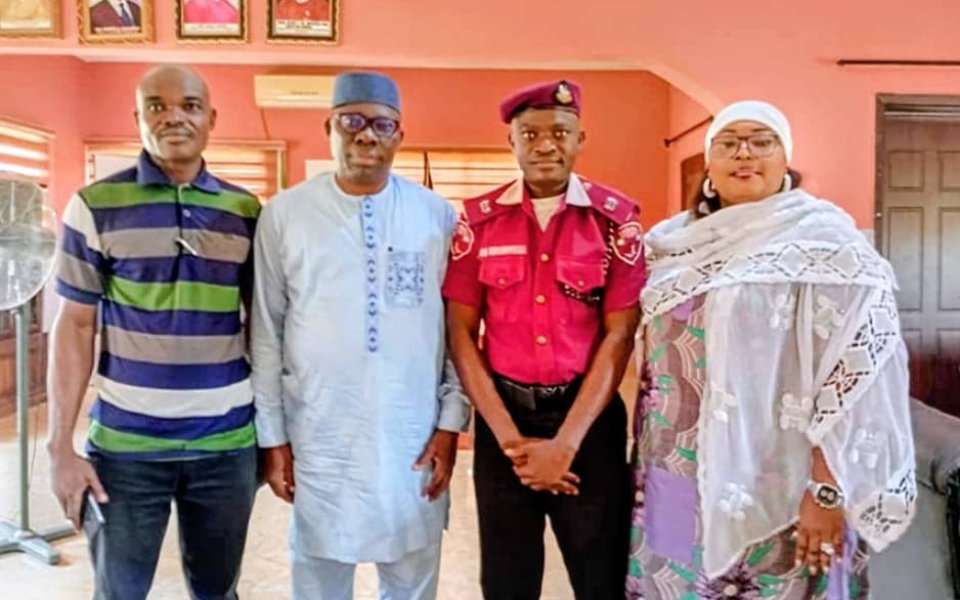
ONDO CITY — In a progressive effort to strengthen institutional alignment and ensure regulatory compliance, the National Institute for Educational Planning and Administration (NIEPA-Nigeria), Ondo hosted an official from the Federal Road Safety Corps (FRSC), Ondo City Command. The working visit, conducted by Officer Adegboyega, was a proactive initiative to interface with the Institute regarding recent administrative policy guidelines issued from the FRSC National Headquarters.
Stating the primary objective of his visit, Officer Adegboyega emphasized the need to further entrench the cordial relationship between the two federal agencies and seek more avenues for collaboration. He stressed that proactive dialogue was necessary to avoid any misunderstanding of FRSC policies—particularly the ongoing clampdown on faded vehicle number plates—that might otherwise lead to friction between organizations that have historically enjoyed a highly cooperative relationship.
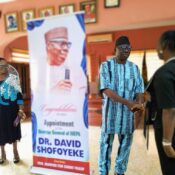
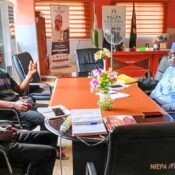
Given the strategic importance of the interaction, the engagement featured high-level deliberations with the Director-General and Chief Executive of NIEPA, Dr. David Shofoyeke, alongside key management personnel including the Bursar, Mrs. Lolade Shittu; the Head of Estate, Works and Services, Engineer Emmanuel Ajayi; and the Institute’s Media Officer, Bodunde Tenabe.
Receiving the FRSC representative, Dr. Shofoyeke commended the Corps for its collaborative approach to public safety, deliberately elevating the discourse from basic traffic compliance to matters of national security. The Director-General asserted that the architecture of national security extends beyond the traditional armed forces, heavily relying on the vigilance of paramilitary agencies like the FRSC to maintain civic order. He highlighted the severe security implications of faded or compromised vehicle tags, noting that such vulnerabilities provide a dangerous loophole for unscrupulous elements to clone plates, forge vehicle identities, and perpetrate criminal acts undetected.
Consequently, Dr. Shofoyeke urged the FRSC to intensify its regulatory oversight in this area and actively advise the Institute on robust strategies to safeguard its official fleet and personnel from falling victim to such security breaches.


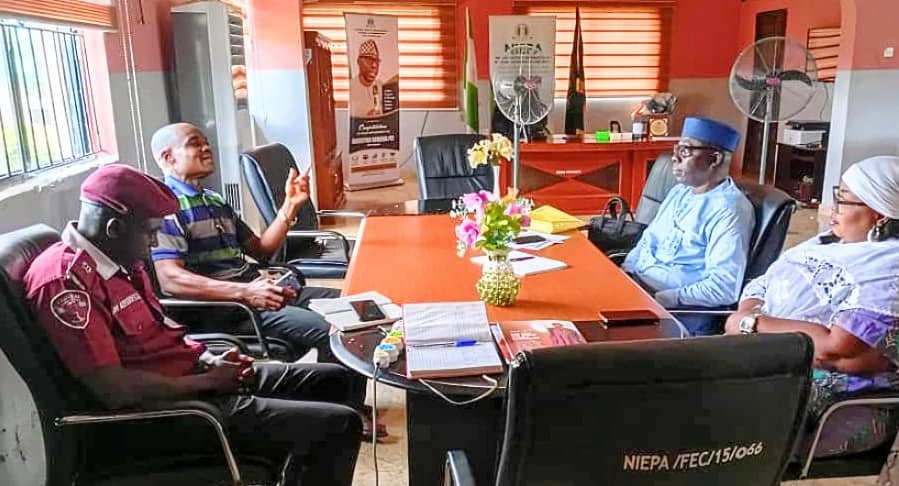


As the dialogue transitioned to institutional capacity building, the Bursar, Mrs. Lolade Shittu, championed the immediate revitalization of the NIEPA Special Marshal Unit. She highlighted the critical importance of this voluntary corps of dedicated civil servants, noting that re-energizing the unit within the Institute would serve as a highly effective mechanism for embedding a lasting culture of safety and civic responsibility across the workforce. Mrs. Shittu further explained that a functional Special Marshal outpost at NIEPA would empower staff to actively participate in traffic management and public enlightenment campaigns within the host community, thereby enhancing the Institute’s corporate social responsibility profile.
Following this, the Head of Estate, Works and Services, Engineer Emmanuel Ajayi, advocated for the formal reinstatement of specialized retraining programs for the Institute’s drivers. He emphasized the immense value of periodic professional updates on defensive driving techniques and standard road sign compliance for the Institute’s logistical personnel.
Building on this collaborative framework, the Institute’s Media Officer, Bodunde Tenabe, advocated for the resumption of inter-agency recreational and wellness initiatives. Recalling the robust corporate sporting engagements previously established under former Director-General, Dr. Peter Ojedele, Tenabe emphasized that such interactive platforms transcend mere leisure. Rather, they serve as vital administrative tools for civic orientation, informal public enlightenment, and mutual operational support in transport management.
Responding to the robust submissions from the NIEPA management, Officer Adegboyega expressed profound appreciation for the Institute’s proactive stance on security, staff welfare, and capacity building. He assured the DG and the management team that he would accurately convey the discussions and the specific decisions reached—including the requests for driver training and the revitalization of the Special Marshal Unit—to the FRSC Ondo City Command for prompt administrative action.
The highly productive session concluded with a shared commitment to sustain this revitalized synergy, ensuring both federal agencies operate in absolute harmony to fulfill the citizen-centric service delivery mandates of the Federal Government.