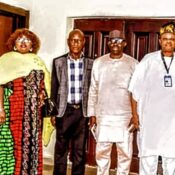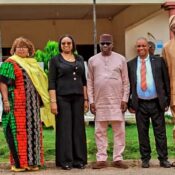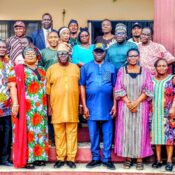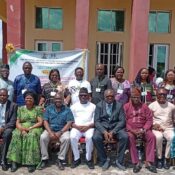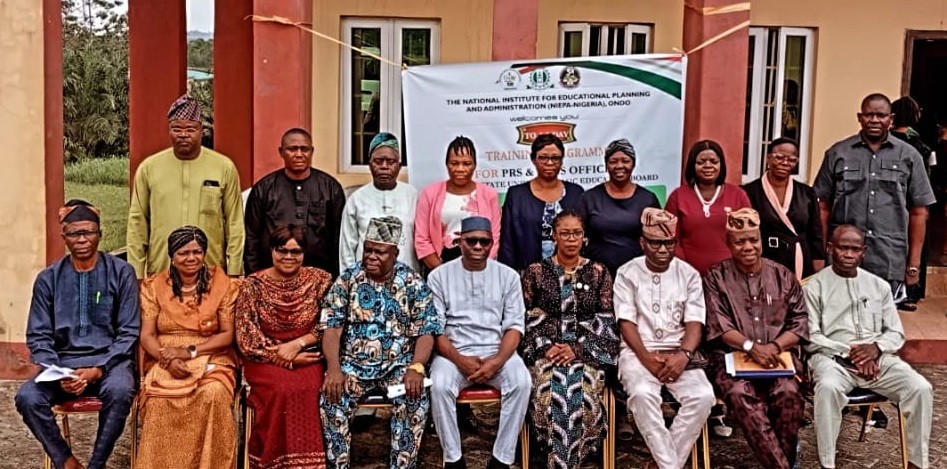
NIEPA Equips Ondo SUBEB Officers with Advanced AI, Data Analytics for Education Planning
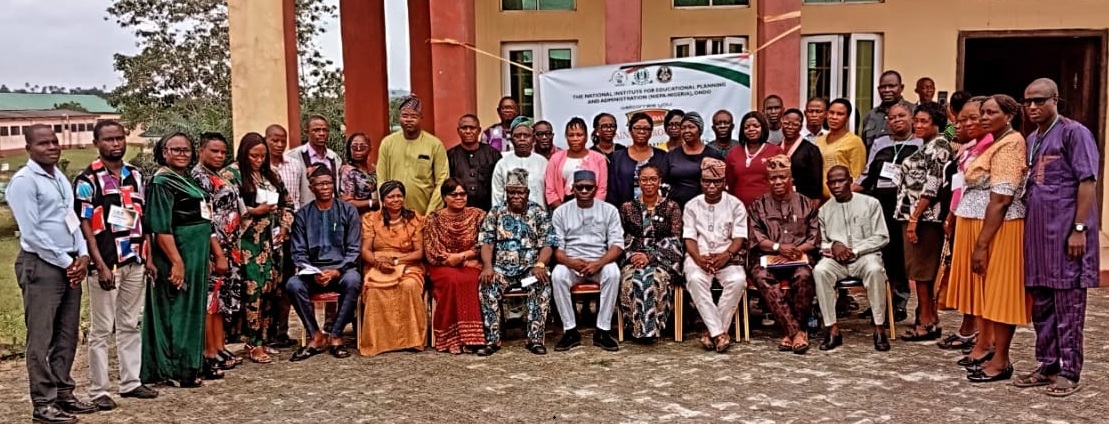
ONDO CITY: The National Institute for Educational Planning and Administration (NIEPA), Ondo, has declared that the era of analogue guesswork in Nigeria’s basic education sector is over, as the Ondo State Government pushes for precision analytics in policy formulation, education planning and administration.
The Institute advanced this vision through a just-concluded five-day capacity-building workshop themed, “Strengthening Education Sector Planning through Advanced Analytics and Artificial Intelligence for Evidence-Based Decision-Making” and “Basic Education Data Indicators, Data Management Practices and Data Analytics Tools,” organised specifically for Planning, Research and Statistics (PRS) and Education Management Information System (EMIS) officers of the Ondo State Universal Basic Education Board (ODSUBEB).
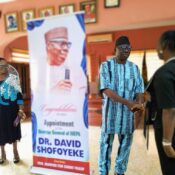
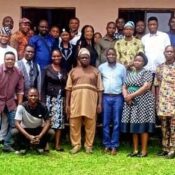
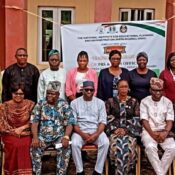
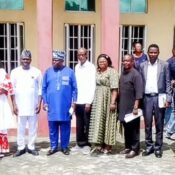
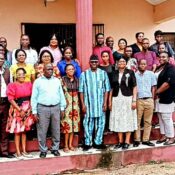
It was against this backdrop that the Director-General and Chief Executive of NIEPA, Dr. A. D. Shofoyeke, spoke in Ondo on Thursday, August 13, 2026, during the opening ceremony of the intensive five-day capacity-building programme on data analytics and artificial intelligence. The event, anchored by NIEPA’s Principal Assistant Registrar in charge of Public Relations, Mr. Bodunde Tenabe, brought together over 40 Planning, Research and Statistics (PRS) and Education Management Information System (EMIS) officers of Ondo SUBEB for the masterclass.
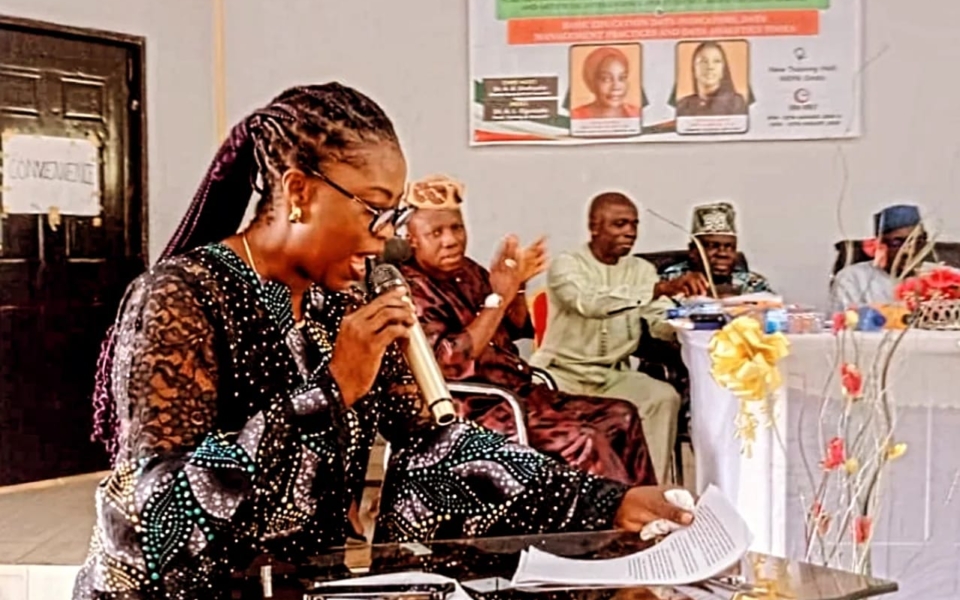


The Director-General noted that while the state is actively expanding access to quality basic education, the success of such expansion relies heavily on the integrity of data generated at the local government level.
“Data is the foundation upon which every credible education plan is built,” he stated, adding that no indicator, however well-designed, can compensate for poor, unrealistic and unreliable underlying data.
He challenged the participating PRS and EMIS officers to view themselves not merely as passive data collectors, but as critical analysts whose daily outputs directly shape the quality of education delivered to children across the state.
Making a direct appeal for deeper institutional synergy, Dr. Shofoyeke urged the Permanent Secretary and the Ondo State Basic Education Board and Ondo State government to consistently patronise the Institute for its various capacity building needs. He reminded the gathering that NIEPA holds the statutory mandate and technical capacity to develop the nation’s education-sector workforce, particularly planners and managers.
Highlighting the Institute’s active national footprint, he revealed that NIEPA is currently engaged in drafting and developing Education Sector Plans for several states across the federation while also pointing out that Ondo State’s current education plan has since expired, urging the state to immediately leverage NIEPA’s expertise to rebuild and modernise its educational blueprint.
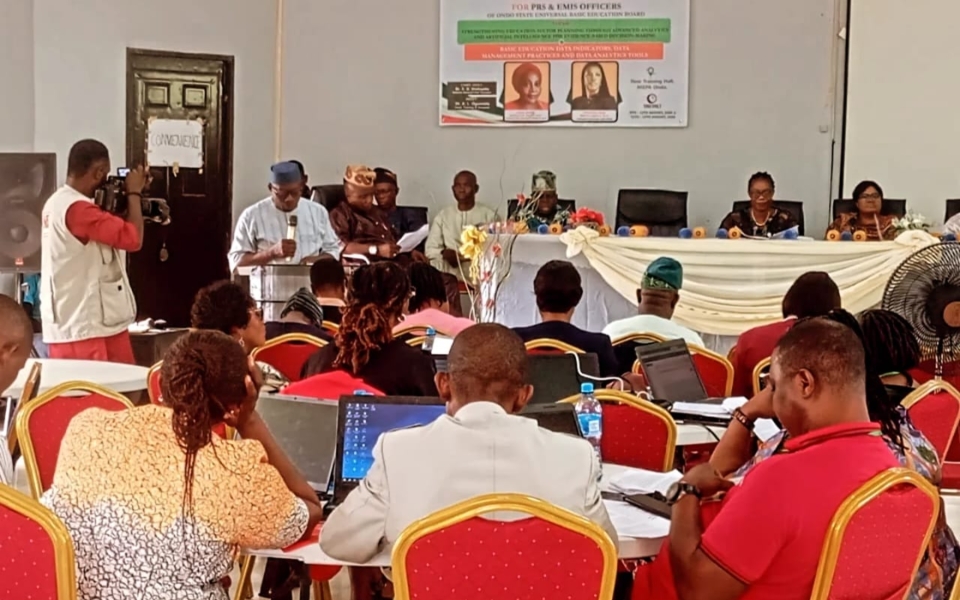


Reinforcing the state’s uncompromising stance on data integrity, the Permanent Secretary of Ondo SUBEB, Princess Abike Bayo-Ilawole, Ph.D., warned participants against altering figures to meet predetermined targets.
She declared that education is no longer driven by assumptions or impressions.
“Every figure represents a school. Every school represents teachers and learners. And behind every data point is a real educational need that government must respond to,” she stated, urging the officers to avoid the trap of “garbage in, garbage out.”
She assured the gathering that technology cannot function without competent personnel, stressing that the Board considers the continuous capacity development of its EMIS workforce a worthwhile investment.
She credited the realisation of the digital transition to the visionary leadership of the Executive Governor of Ondo State, His Excellency, Hon. Lucky Aiyedatiwa, noting that his administration’s unwavering support had made the retraining of the state’s educational workforce a concrete reality.
The Federal Government’s alignment with the digital transition was also evident at the five-day programme. Ondo State UBEC Representative, Mrs. Olanike Adams, commended the strategic capacity-building synergy between the Institute and the state board which has spanned over many years.
Mrs. Adams, who also represented the Executive Secretary of the Universal Basic Education Commission (UBEC), Dr. Aisha Garba, Ph.D., noted that reliable data remains central to effective basic education planning. In her remarks highlighting the ongoing national drive to align with the Federal Ministry of Education’s Digital National Education Management Information System (D-NEMIS), she assured the audience that, under the policy direction of the Honourable Minister of Education, UBEC is integrating AI and advanced analytics to ensure that intervention funds and educational tracking across the country are seamless, transparent and globally competitive.
The push for transparent educational planning also drew widespread institutional backing from key stakeholders who delivered robust goodwill messages.
Endorsements came from the State Chairman of the Nigeria Union of Teachers (NUT), Comrade Ayodele Samuel, and his Association of Primary School Head Teachers of Nigeria (AOPSHON) counterpart, Comrade Olakunle Akintoroye. They were joined by Barrister Oyebanji Bada; Chief Ben Okedusi, Director of Monitoring and Evaluation; and Mrs. Olubunmi Agunbiade of the Ministry of Education, Science and Technology.
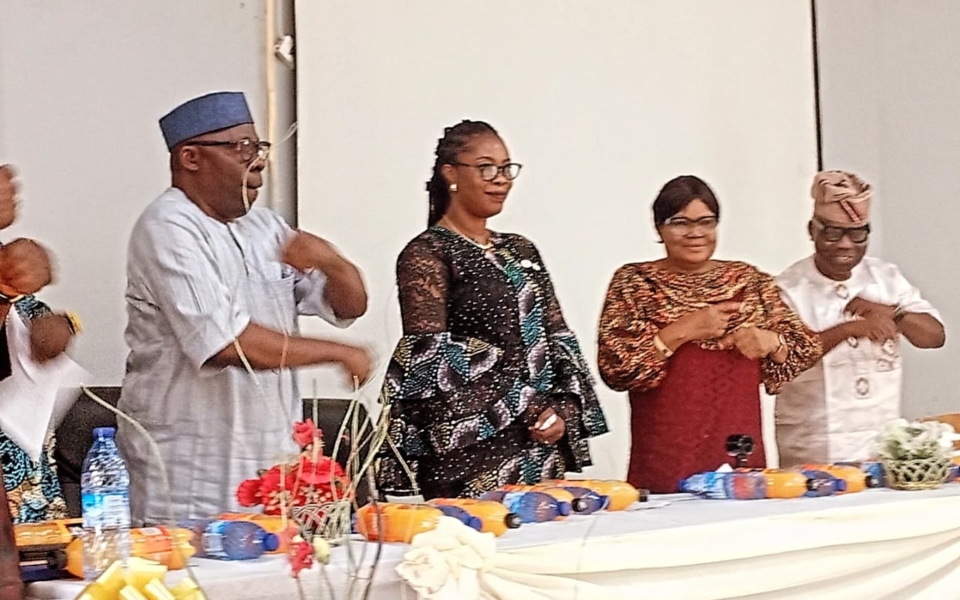


Highlighting the practical realities of the workshop, the Head of NIEPA’s Training and Research Department, Dr. Lara Ogunsola, described the technical sessions as a critical step towards building a tech-responsive education system capable of meeting the demands of contemporary education planning. She noted that the workshop provided an important platform for strengthening the capacity of PRS and EMIS officers to move beyond routine data collection and embrace more analytical, technology-driven approaches to education-sector planning. Dr. Ogunsola also highlighted the broader strides being recorded in education-sector planning, stressing that sustained professional development, institutional collaboration and the effective deployment of emerging technologies remain essential to improving the quality, timeliness and usefulness of education data for policy and administrative decisions.
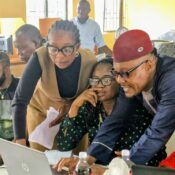
Following hands-on sessions led by data experts Dr. Seun Yusuf, Engr. Ismail Olanrewaju and Mr. Friday Akinjeji, an Ondo SUBEB Data Officer, Mr. Ajayi Jolayemi, confirmed on behalf of the participants that the exposure to modern AI and analytics tools would help streamline local government workflows, improve the accuracy and speed of data processing, and enhance evidence-based decision-making within Ondo SUBEB. He noted that the acquired skills would ultimately strengthen education planning, resource allocation, monitoring and intervention tracking, with the wider Ondo State education sector positioned as the ultimate beneficiary of more accurate, timely and actionable data.I agree with you. “Delivered the vote of thanks” makes the Registrar’s contribution sound routine, when the occasion gives him an opportunity to speak for NIEPA management and project the Institute’s broader institutional vision.
Bringing the engagement to a fitting close, the Registrar of NIEPA, Dr. Festus Olaolu, reaffirmed the Institute’s commitment to breaking new ground in the training and professional development of education-sector personnel, while urging Ondo SUBEB to deepen its collaboration with the Institute for sustained capacity development. He expressed appreciation to the Board for its partnership and acknowledged the contributions of other members of the NIEPA management team, including the Bursar, who was represented at the occasion by Mr. Bola Adejori, and the Librarian, Mr. Adeniyi Adetunji. Dr. Olaolu stressed that stronger institutional partnerships remain essential to equipping education-sector workers with the knowledge, skills and technological competencies required to navigate the evolving demands of modern education planning and administration.