NIEPA Cascades UNESCO Digital Competency Training to Wider Workforce as Shofoyeke Drives Education Reform Agenda
ONDO CITY — The National Institute for Educational Planning and Administration (NIEPA) has initiated a massive institutional drive to extend the core benefits of a UNESCO-sponsored digital competency programme to its wider workforce. This bold move follows a high-level knowledge-sharing session between the Director-General and the pioneer staff cohort who recently participated in the global training.
According to the Head of the Training and Research Department, Dr Lara Ogunsola, the programme is a clear shift from the norm. The initiative is strategically intended to ensure that the cutting-edge digital skills acquired by the Institute’s first batch of representatives are not just confined to a privileged few, but are rapidly transferred to other staff members to aggressively strengthen digital proficiency and upgrade the efficiency of everyday institutional operations, she said.
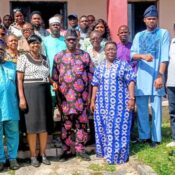
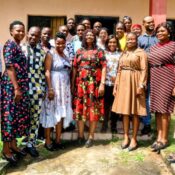
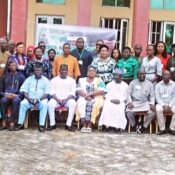
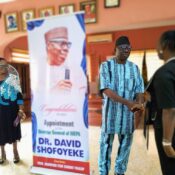
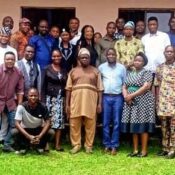
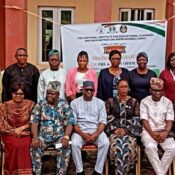
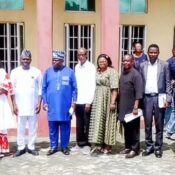
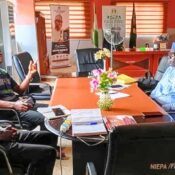
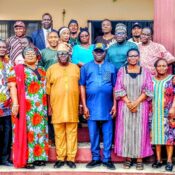
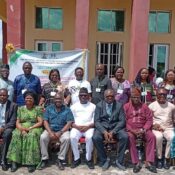
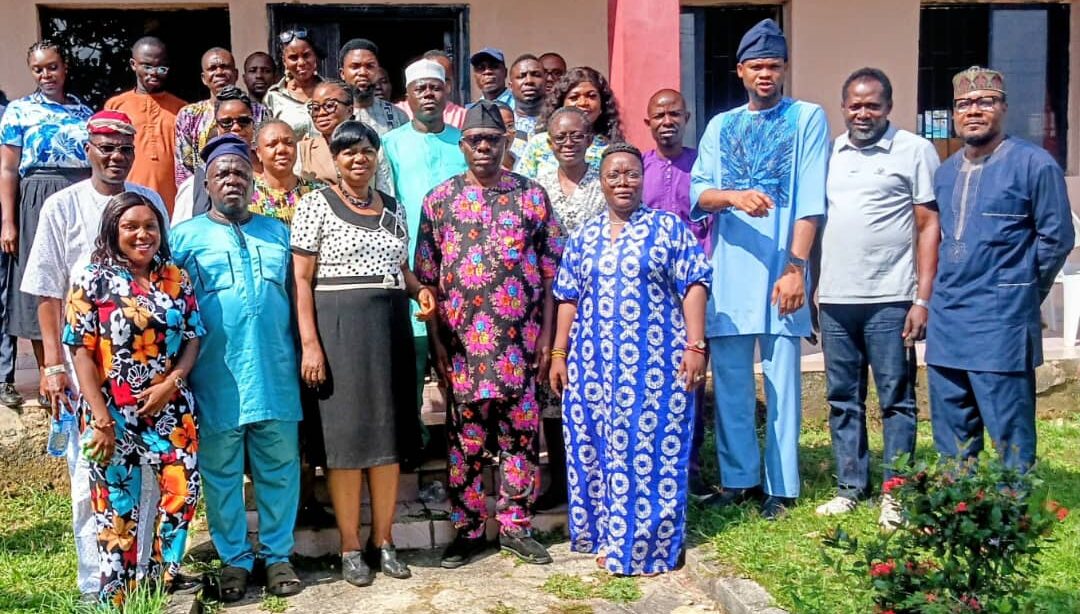
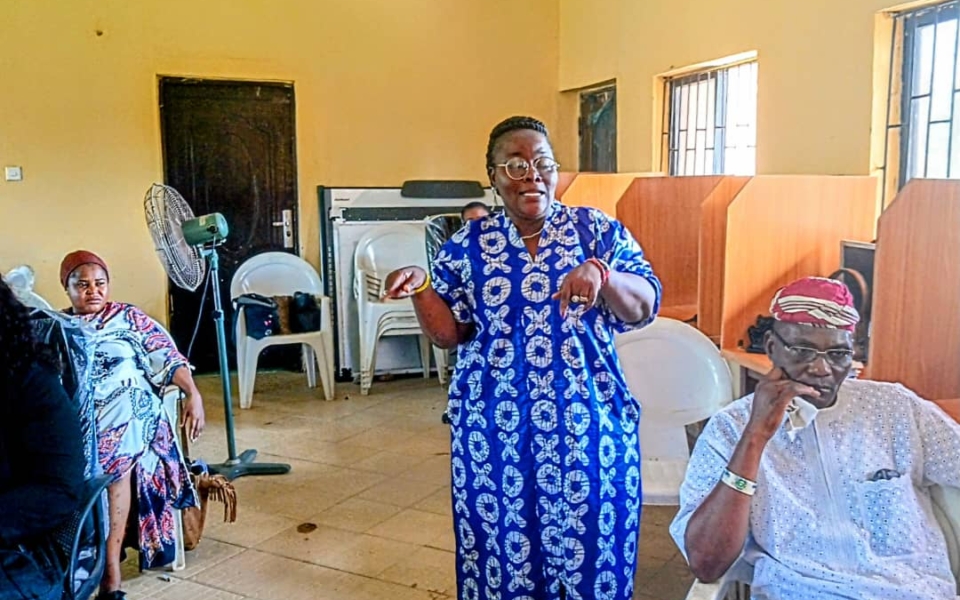
The knowledge-sharing meeting, held at the Institute’s ICT Laboratory on Monday, 2nd November 2026, provided a platform for the G10 members—comprising senior academic staff of the Training and Research Department alongside senior personnel from the Information and Communication Technology (ICT) Department—to brief the Director-General, Dr David A. D. Shofoyeke, following their intensive training at the Adeyemi Federal University of Education (AFUED), Ondo. They broke down the programme’s dense content, shared their direct learning experiences, and mapped out practical prospects for replicating the entire training module within NIEPA.


Addressing the returning participants, NIEPA s Chief Executive, Dr. Shofoyeke underscored the absolute necessity of translating external professional development opportunities into measurable, in-house institutional benefits. According to him, visionary leadership demands nothing less and the true value of any capacity-building engagement must never be limited to the personal knowledge gained by individual participants, but must be tangibly reflected in how effectively that knowledge is shared and applied to solve institutional problems.
He challenged the participants to take immediate responsibility for cascading the acquired competencies to their colleagues across all departments. The Director-General also noted that wider staff exposure to these global digital skills will radically improve administrative efficiency and solidify NIEPA’s core mandate to function effectively as the nation’s premier educational planning think-tank in an increasingly technology-driven era.
This management approach according to Shofoyeke proves that while the Institute respects its foundational traditions, it is actively breaking new ground to align with the transformational agenda of the Federal Ministry of Education under the leadership of Dr Tunji Alausa.
Presenting their field report, the participants explained that the training was orchestrated under UNESCO’s Digital Competency initiative. Speaking on the scope of the programme, Dr Grace Omiyale, noted that the rigorous training focused heavily on Digital Competency 1 (DC1). This, he explained, is a highly structured course designed to equip modern professionals with foundational digital skills for effective engagement with technology in educational settings.
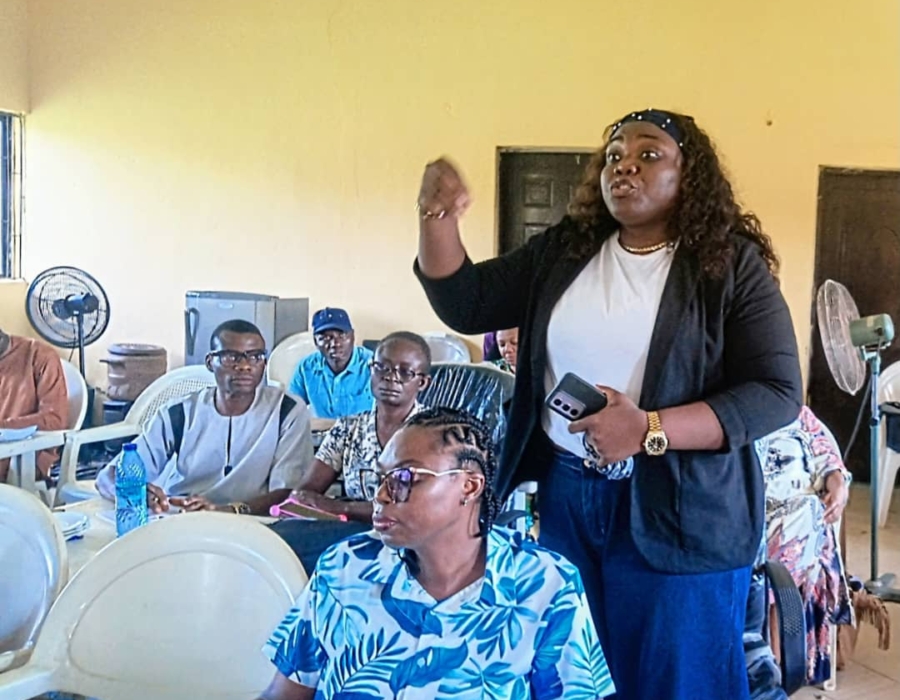


Breaking down the massive curriculum, another participant, Engr Pius Odeluga, revealed that DC1 comprises nine chapter units and 39 distinct sections covering a wide array of digital learning areas. These, according to her, include the fundamentals of digital skills, mastery of basic productivity tools, advanced internet search techniques, the deployment of Open Educational Resources (OER) for teaching and learning, social media application in education, and critical cybersecurity protocols. Odeluga further noted that the practical orientation of the training familiarised them with the digital learning platform’s navigation, allowing them to complete complex learning activities and final assessments independently.
Shedding more light on the institutional strategy after the event, Dr Ogunsola revealed in a chat with the Head of the Media Unit, Mr Bodunde Tenabe, that the Institute is perfectly positioned for this transition. She emphasised that this aggressive internal capacity building showcases NIEPA’s unmatched strength in educational administration and guarantees that the Institute’s deliverables constantly meet the Key Performance Areas (KPAs) and Key Performance Indicators (KPIs) mandated by the Federal Ministry of Education.