“NIEPA Is the Only Institution I Trust to Do This Better” — Ekiti SUBEB Chairman
Akinwumi backs Institute to lead development of three-year education plan; says Oyebanji administration is committed to basic education
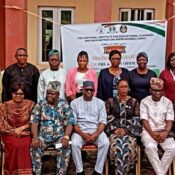
The Executive Chairman of the Ekiti State Universal Basic Education Board (SUBEB), Professor Femi Akinwumi, has reaffirmed his confidence in the National Institute for Educational Planning and Administration (NIEPA), Ondo, describing it as the institution he trusts to lead the development of the state’s next medium-term basic education strategic plan.
“I trust our facilitators,” Akinwumi said while addressing stakeholders at the opening of a five-day engagement for the development of Ekiti State’s Medium-Term Basic Education Strategic Plan (SMTBESP) 2027–2029, Cycle 5, at the Civic Centre, Fajuyi, Ado-Ekiti. “That is the only institution that I trust and that does it better – NIEPA.”


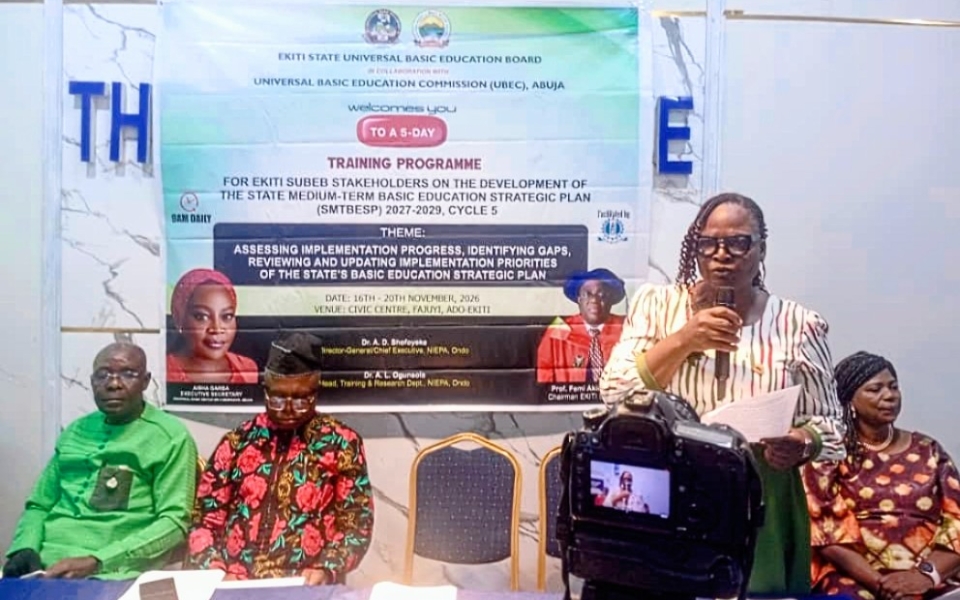

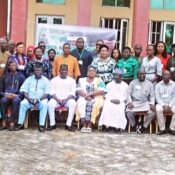
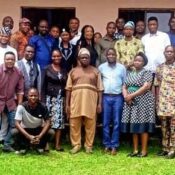
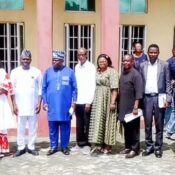
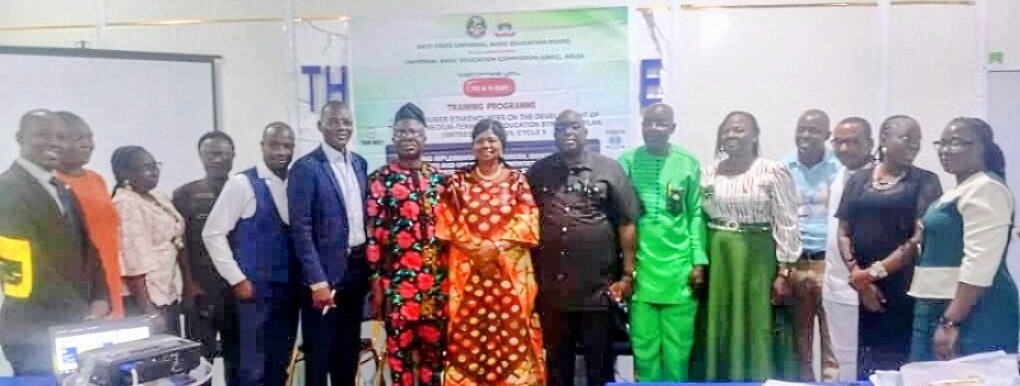
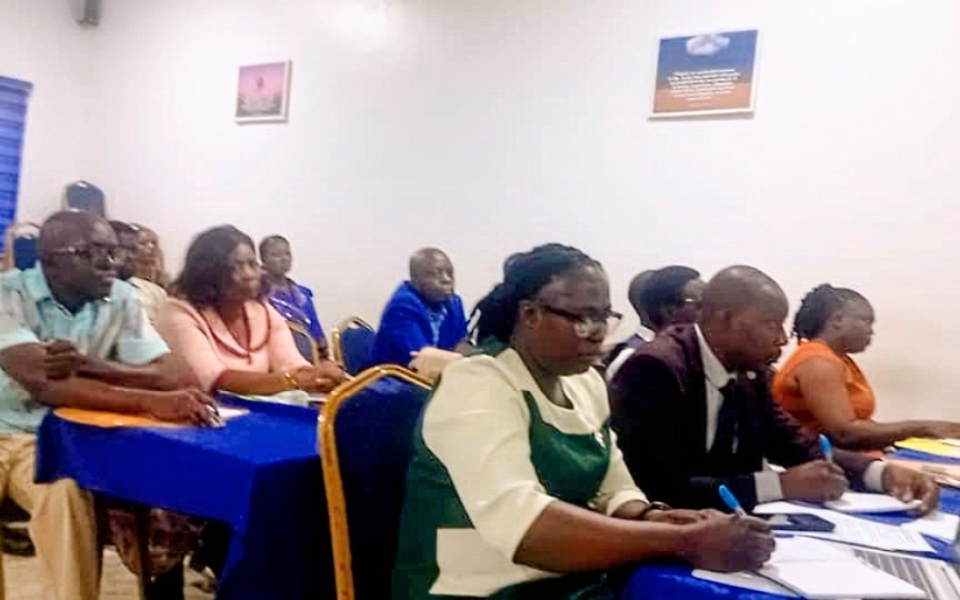
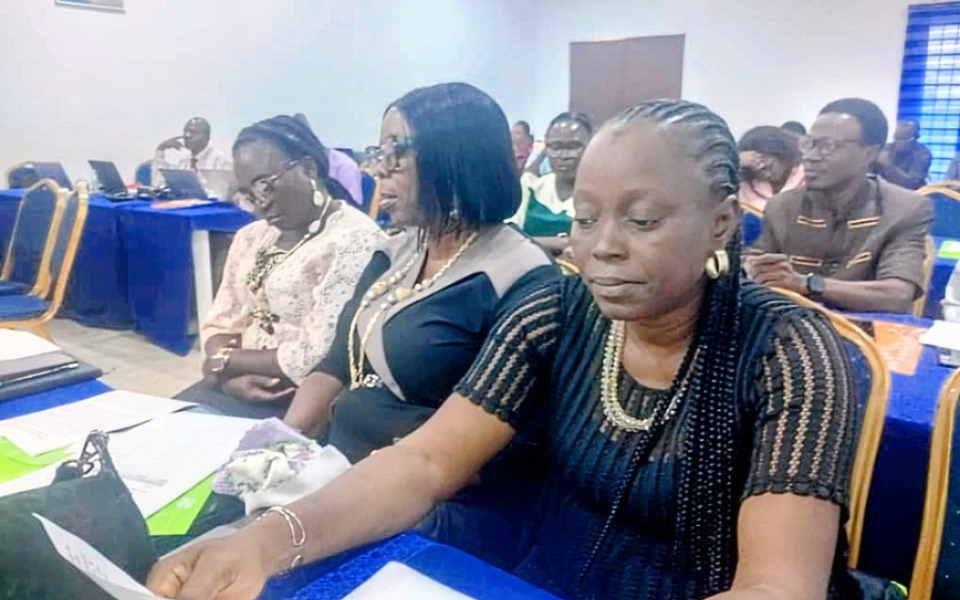
His endorsement set the tone for the exercise, which brings together officials of Ekiti SUBEB, the Universal Basic Education Commission (UBEC) and other education stakeholders to review the state’s existing basic education plan, assess implementation progress, identify gaps and agree on priorities for the next three years.
Organised by Ekiti SUBEB in collaboration with UBEC and facilitated by NIEPA, the programme will run from 16th to 20th November, 2026. Its theme, “Assessing Implementation Progress, Identifying Gaps, Reviewing and Updating Implementation Priorities of the State’s Basic Education Strategic Plan,” reflects the task before participants: to move beyond policy statements and produce a practical roadmap for improving basic education in the state.
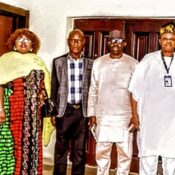
Akinwumi, who arrived shortly after the opening proceedings had begun, later declared the programme open and urged participants to work closely with the NIEPA team. Drawing on his own previous association with the Institute through training and consultancy work, he expressed confidence in the competence of its resource persons and said he expected them to deliver on the assignment.


He also acknowledged the support of Governor Biodun Abayomi Oyebanji, noting that the state government had paid its counterpart funding for 2025 and was attending to the ongoing 2026 commitment. According to him, the administration’s support reflects its commitment to basic education, teachers and pupils in the state.
The chairman equally commended the Executive Secretary of UBEC, Dr Aisha Garba, for what he described as improved cooperation and the introduction of innovative ideas, including the prompt release of counterpart funds. He urged SUBEB directors, departmental officials and other stakeholders to give the consultants the necessary cooperation, stressing that the quality of the final document would depend on the collective contribution of those who understand the realities of education delivery in Ekiti.
The practical importance of the assignment had earlier been underscored by the Board’s Permanent Secretary, Mr Michael Omolayo, who challenged participants to see the engagement as more than a conventional training workshop.
“We are here for work,” he said. “We want to develop a living document.”
Omolayo explained that the new plan would succeed the state’s 2024–2026 strategic plan, which now requires review in the light of changing conditions and emerging priorities. He said the document would provide evidence of the state’s commitment to education development and serve as an important reference for government, development partners and other institutions supporting basic education.
He further urged stakeholders to subject the state’s strengths, weaknesses and opportunities to careful assessment, noting that the plan must be inclusive, adaptable and capable of accommodating new developments. The quality of the document, he observed, would have implications for the direction of basic education in Ekiti over the next three to five years.


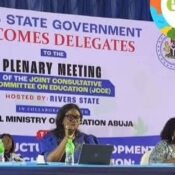
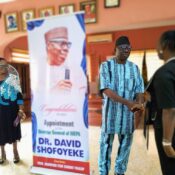
Speaking on behalf of the Director-General and Chief Executive of NIEPA, Dr David Shofoyeke, the Head of the Institute’s Training and Research Department and team leader for the exercise, Dr Lara Ogunsola, said the Institute had worked with 33 states on the development of education-sector plans, including ten-year strategic plans and subsequent three-year plans.
She explained that NIEPA’s approach was based on partnership with the states rather than preparing plans in isolation. The people who work within a state, she noted, understand its education challenges and circumstances; the role of the Institute is to provide the technical guidance, professional expertise and planning methodology required to turn that knowledge into a credible strategic document.
“We don’t write plans for any state. We do our work in partnership with the states, because it is he who wears the shoe that knows where it pinches,” she said.
Ogunsola assured the participants that NIEPA would deliver value for the resources committed to the exercise. She said the objective was not to produce an ordinary document but one that could stand up to scrutiny and help Ekiti attract support and funding from development partners.
“I deliver documents that you can take to the market – the world market – and you will attract funding for your state and for SUBEB,” she said.
She also made it clear that the work would continue beyond the five-day physical engagement. While the technical team would guide the process during the week, stakeholders would be expected to sustain their contributions after the facilitators’ departure, with further engagement online to ensure that the document is completed within the agreed timeframe. The NIEPA facilitation team also includes Dr Nojeem Oresajo and Dr Seun Yusuf, whose expertise will support Ogunsola in guiding the stakeholders through the planning process.
The assignment represents an important demonstration of NIEPA’s expanding role in Nigeria’s education sector. Established in 1992, the Institute, a parastatal of the Federal Ministry of Education (FME), Abuja, with a mandate that includes capacity building for education-sector planners, administrators and managers. Beyond training and retraining, it has increasingly applied its specialist expertise to education-sector planning, helping states and other institutions develop strategic frameworks to guide policy implementation and resource allocation.
The Board’s Director of Planning, Research and Statistics, Mrs Olusola Olujobi, had earlier welcomed participants and described the new plan as the roadmap for basic education in Ekiti State from 2027 to 2029. She said it would guide planning, budgeting and interventions while providing a framework for the state’s commitment to quality and inclusive education.
She urged participants to make relevant departmental data available, contribute their experience and ensure that the targets adopted were realistic and achievable. She also confirmed that the Board had engaged NIEPA as consultant for the exercise, with Ogunsola leading the team responsible for developing the document.
In a goodwill message, the UBEC State Coordinator, Mr Tokunbo Olajubu, representing the Executive Secretary, commended Ekiti SUBEB and the state government for their collaborative efforts. He described basic education as a foundation for human-capital development and sustainable socio-economic growth, adding that effective delivery depends on deliberate planning, data-driven decisions and prudent resource allocation.
He identified issues such as out-of-school children, school infrastructure, teacher capacity and the integration of modern learning technologies as among the challenges that strategic planning must address. He also stressed that the value of the plan would ultimately depend on the collective commitment to its implementation and the extent to which it produces measurable improvements in classrooms and communities.
As the five-day exercise proceeds, the expectation is that Ekiti will emerge with a strategic plan that reflects the realities of its basic education system, sets achievable priorities and provides a stronger basis for partnerships and investment. The real test, however, will be how effectively the state uses the document to guide decisions and improve educational outcomes for its children. Reporting from Ado-Ekiti, NIEPA Media Officer, Bodunde Tenabe, also noted that the exercise is an opportunity to turn the state’s education aspirations into a practical plan whose impact will ultimately be measured in its schools and the lives of its pupils.