Driving Evidence-Based Reform: NIEPA Anchors Nigeria’s Delegation at High-Level UNESCO/GPE KIX Global Education Summit in Ethiopia
ONDO, NIGERIA — In a resounding affirmation of Nigeria’s growing influence in global educational planning, administration and policy, the National Institute for Educational Planning and Administration (NIEPA-NIGERIA), Ondo, has once again thrust the nation into the international spotlight.
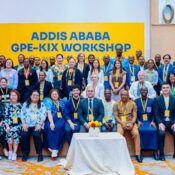
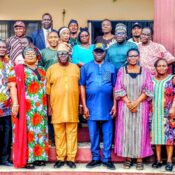
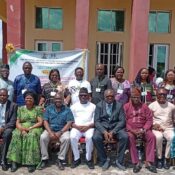
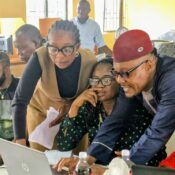
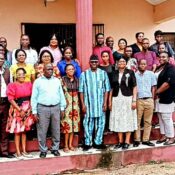
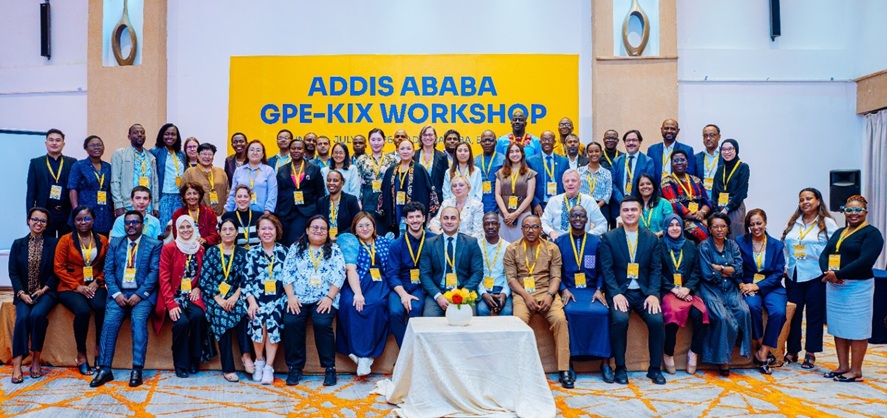
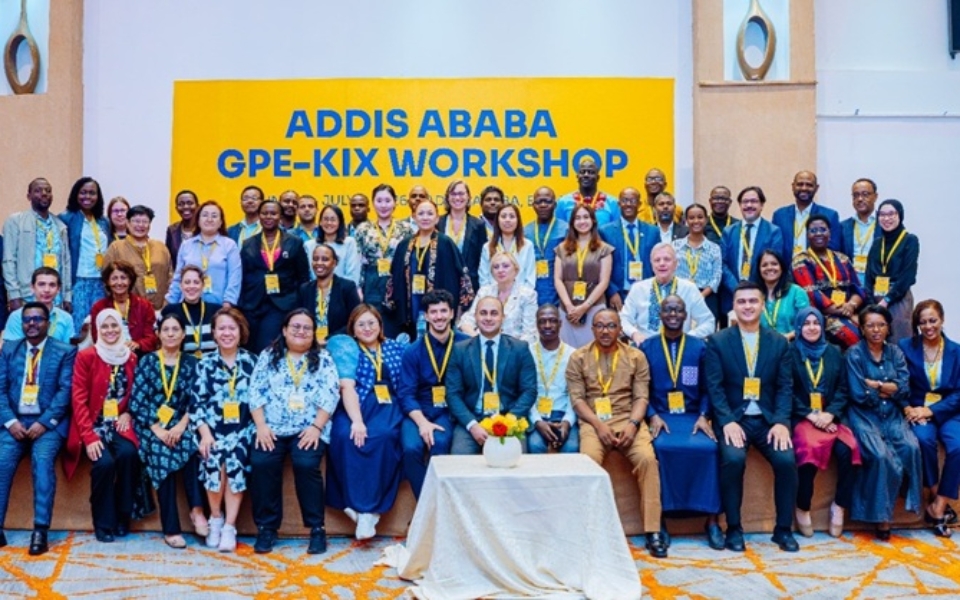
Capping off a rigorous, months-long intellectual marathon, Dr. Yusuf Oluwaseun Tajudeen, an Assistant Chief Statistician at the Institute, stood as Nigeria’s flagbearer at an exclusive, in-person global education workshop recently concluded in the heart of Addis Ababa, Ethiopia. The high-stakes summit ran from the 29th of June to the 3rd of July, 2026, marking a watershed moment for Nigeria’s educational diplomacy.
This monumental international outing is far more than an institutional triumph; it is a vivid reflection of the dynamic leadership and strategic vision of the Honourable Minister of Education, Dr. Tunji Alausa, CON, alongside the Minister of State for Education, Professor Suwaiba Said Ahmad. Their unwavering commitment to evidence-based educational reform was brought to life through the administrative excellence of NIEPA’s Director-General, Dr. David Shofoyeke, bolstered by the critical technical backing of Dr. Mrs. Ujah, Deputy Director of the Educational Planning, Research and Development (EPR&D) department at the Federal Ministry of Education.
Crucially, this global recognition further solidifies their administration’s strategic blueprint to reposition Nigeria’s education sector. It serves as undeniable proof that the Honourable Ministers’ collaborative drive for systemic quality and equity is yielding tangible dividends, perfectly mirroring the giant strides of President Bola Ahmed Tinubu, GCFR, and his Renewed Hope agenda.
The Addis Ababa summit itself was a major milestone within the Global Partnership for Education Knowledge and Innovation Exchange (GPE KIX) programme. Administered globally by the International Development Research Centre (IDRC) in Ottawa, Canada, and implemented by Teachers College, Columbia University, New York, in close collaboration with NORRAG, the Geneva Graduate Institute, the event gathered the brightest minds in educational policy.
Cosponsored by the UNESCO International Institute for Capacity Building in Africa (IICBA), the forum operated under the ambitious project framework: “Institutional Support for Promoting the Use of Research Evidence in Policy and Planning in GPE Partner Countries”. Expertly directed by Professor Gita Steiner-Khamsi and coordinated by Kseniia Tishkus, the gathering brought together an elite cohort of approximately 40 policy analysts from 25 countries to dissect, debate, and design the future of international education reform.



Yet, Dr. Yusuf’s specific elevation to this global summit was neither sudden nor isolated. It was the crowning achievement of a relentless, months-long intellectual endeavour spearheaded by a dedicated NIEPA team comprising Dr. Nojeem O. Oresajo, Mrs. Aghadiuno Ijeoma Gloria, and Dr. Yusuf himself. Navigating the intense rigours of the programme’s Learning Cycle 2, aptly titled “The Use of Data to Improve Quality and Equity in Education,” these experts ensured Nigeria’s voice resonated powerfully. Throughout the virtual phases, Nigeria stood tall alongside a diverse array of participating nations—from Senegal, Togo, and Uganda, to Cambodia, Pakistan, and Ukraine—holding its own in a fierce crucible of global ideas.
The cornerstone of the NIEPA team’s participation was the crafting of a publishable, international-standard policy brief. Masterfully leveraging both national and international datasets, the team tackled a critical domestic challenge head-on, presenting a comprehensive brief titled, “Teacher Quality as a Binding Constraint to Foundational Learning in Nigeria’s Primary Education (P1–P3)”.
As the curtains draw on the Addis Ababa summit, the implications for Nigeria are profound.
Dr. Yusuf’s deliberations with global partners transition from theoretical blueprints to actionable, evidence-based frameworks poised to revolutionise domestic teacher recruitment, professional development, and foundational literacy.
Ultimately, by anchoring this global diplomatic and academic mission, NIEPA has not merely participated in a conversation; it has boldly shaped it. For Nigeria, this is not just a successful workshop, it is the dawn of a data-driven renaissance in educational planning, proving that when the nation speaks with empirical clarity, the world listens.
Bodunde Tenabe