NIEPA Conference: Experts Seek Digital Transformation of Education Quality Assurance
ONDO CITY: Education quality assurance experts have called for the accelerated adoption of digital technology, artificial intelligence (AI), and data-driven school inspection to strengthen institutional accountability and elevate foundational learning outcomes across Nigeria.
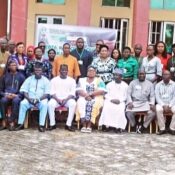
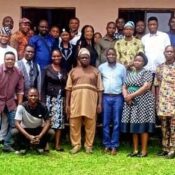
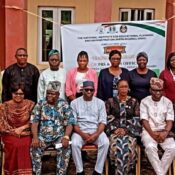
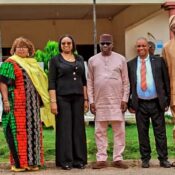
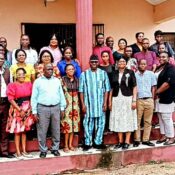
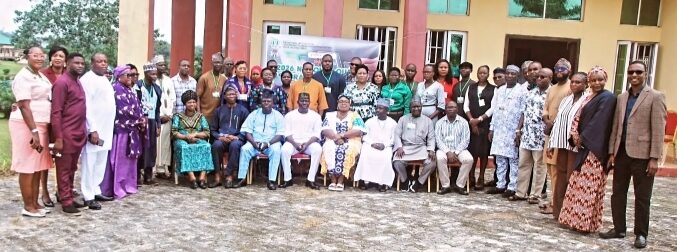
The clarion call resonated at the 2026 National Quality Assurance Conference, organised by the National Institute for Educational Planning and Administration (NIEPA), Ondo, which convened quality assurance directors, education officials, and lead practitioners from nine states, along with key federal and state agencies, to explore technology-driven paradigms for modern school monitoring and evaluation.
Welcoming participants to the flagship gathering, NIEPA Director-General and Chief Executive, Dr A. D. Shofoyeke, declared that modernising educational standards demands an immediate departure from archaic, paper-based inspection regimens towards agile, automated systems anchored on verifiable, real-time evidence. Shofoyeke asserted that quality assurance personnel must be systematically re-skilled in contemporary data analytics and field instrumentation to monitor institutional compliance and safeguard national benchmarks effectively.
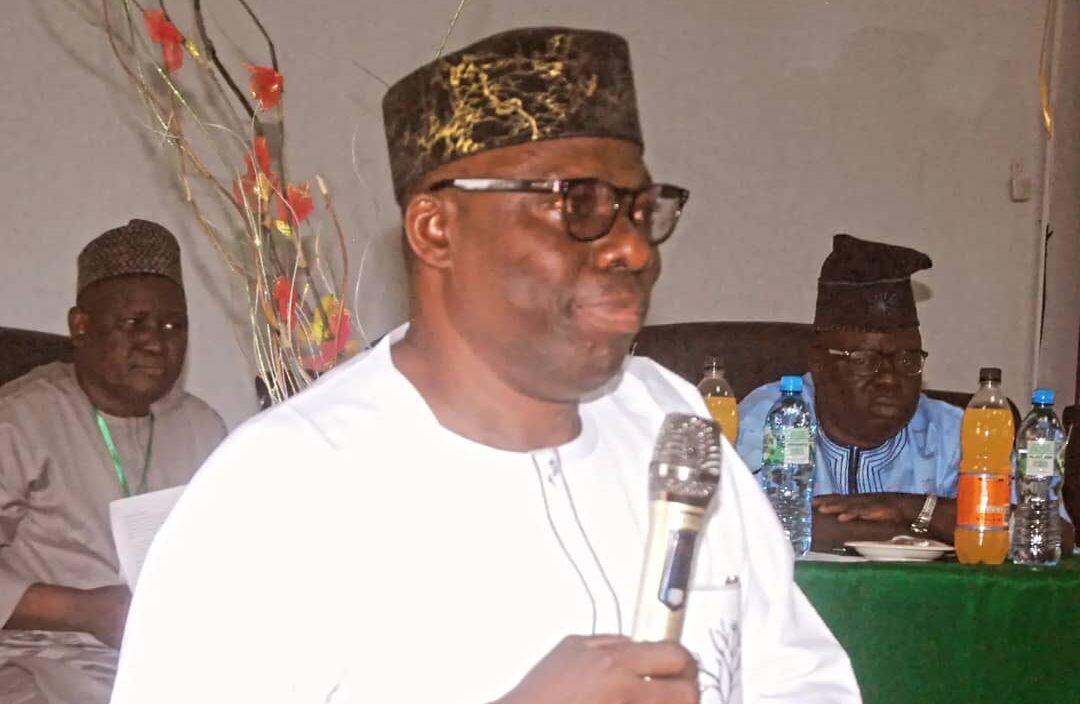
Grounding the initiative within the strategic imperatives of the Federal Ministry of Education, the Director-General linked the conference outcomes directly to the Federal Government’s Renewed Hope Agenda, emphasising that platforms such as the Digital National Education Management Information System (DNEMIS) and the HOPE-Education Programme depend on rigorous, digitised field data to drive equitable educational planning, governance, and resource allocation nationwide.
Declaring the five-day conference open, the Director of the Federal Education Quality Assurance Service (FEQAS), Federal Ministry of Education, Mr Ajide Sunday Joel, urged quality assurance officers to move beyond perfunctory compliance rituals towards continuous, evidence-based assessment of educational standards. Joel described the conference theme, “Digital Transformation and Innovation in Education Quality Assurance,” as an urgent mandate for systemic modernisation, stressing that emerging technologies and diagnostic dashboards must reinforce sound professional judgement rather than displace it.
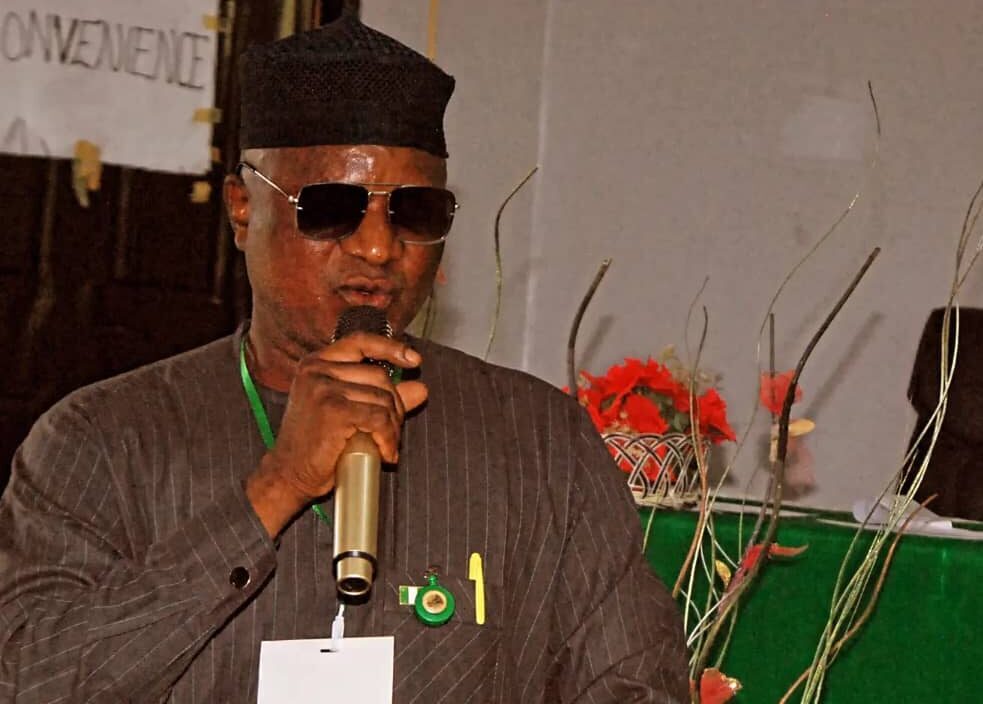
Delivering his remarks at the close of the opening ceremony, the Registrar of the Institute, Dr Festus Olaolu, anchored the discourse with a resonant conceptual clarification. He drew a sharp administrative distinction between quality insurance and quality assurance. True assurance demands proactive, continuous enhancement; it is not reactive damage control. He challenged the participating government agencies to forge immediate synergies to actualise the strategic resolutions outlined in the conference communiqué.
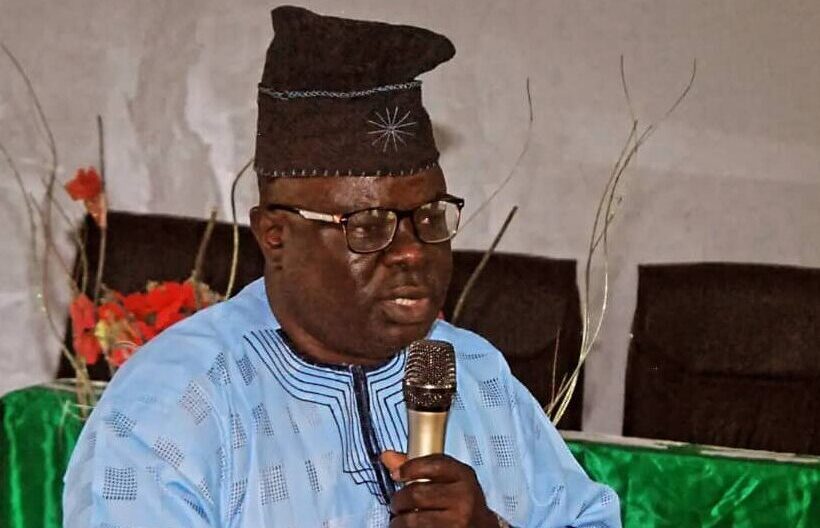
NIEPA remains fully equipped and ready to partner with allied organisations to operationalise a technologically driven quality assurance framework across the basic education sector. This institutional readiness perfectly mirrors the developmental strides and reform blueprint championed by the Honourable Minister of Education, Dr Tunji Alausa.
The technical sessions subsequently unpacked critical dimensions of digital pedagogy and evaluation. Olajide Adeyemi, Head of Education Sector at the UNESCO Multisectoral Regional Office in Nigeria, delivered a lead presentation examining smart inspection tools and data analytics, drawing insights from UNESCO-IIEP research and Nigeria’s National Education Quality Assurance Policy (2023). Dr Lara Ogunsola, Head of the Training and Research Department at NIEPA, addressed the “Ethical Use of Technology and Data in Quality Assurance,” highlighting statutory protocols for data privacy, algorithmic fairness, and intellectual property. Contributing to the technical discourse, Dr Sunday Adegbesan offered strategic frameworks for bridging the resource and infrastructural divide across basic and senior secondary schools, while Dr Oluwaseun Yusuf subsequently dissected “AI and Data Analytics for School Evaluation and Decision-Making.”


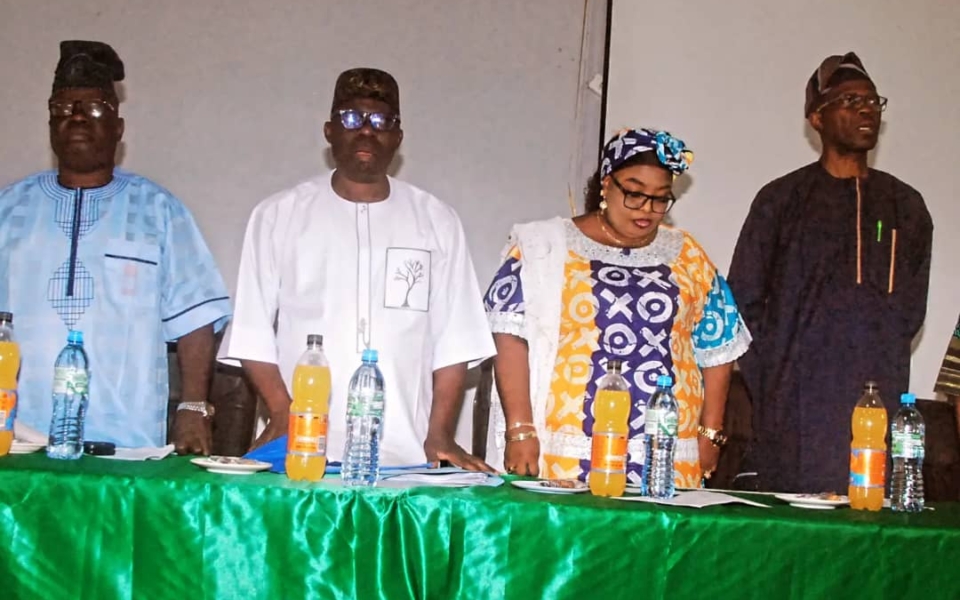

The conference equally served as a platform for inclusive workforce development. Mr Kalu, a participant from the Nigerian Educational Research and Development Council (NERDC), commended NIEPA for providing physical accessibility and inclusive accommodations, reinforcing the sector’s imperative to mainstream education personnel with special needs into high-level capacity-building programmes.

Goodwill messages affirming inter-agency synergy were delivered by Dr Yau Ahmed Sara, Director-General of the Jigawa State Education Quality Assurance Agency; Hon. Samuel Jonathan Mokotso, Permanent Member III of the Niger State Universal Basic Education Board; and Dr Teslim Oladimeji, Executive Director of the Niger State Quality Assurance and Standards Agency of Schools.
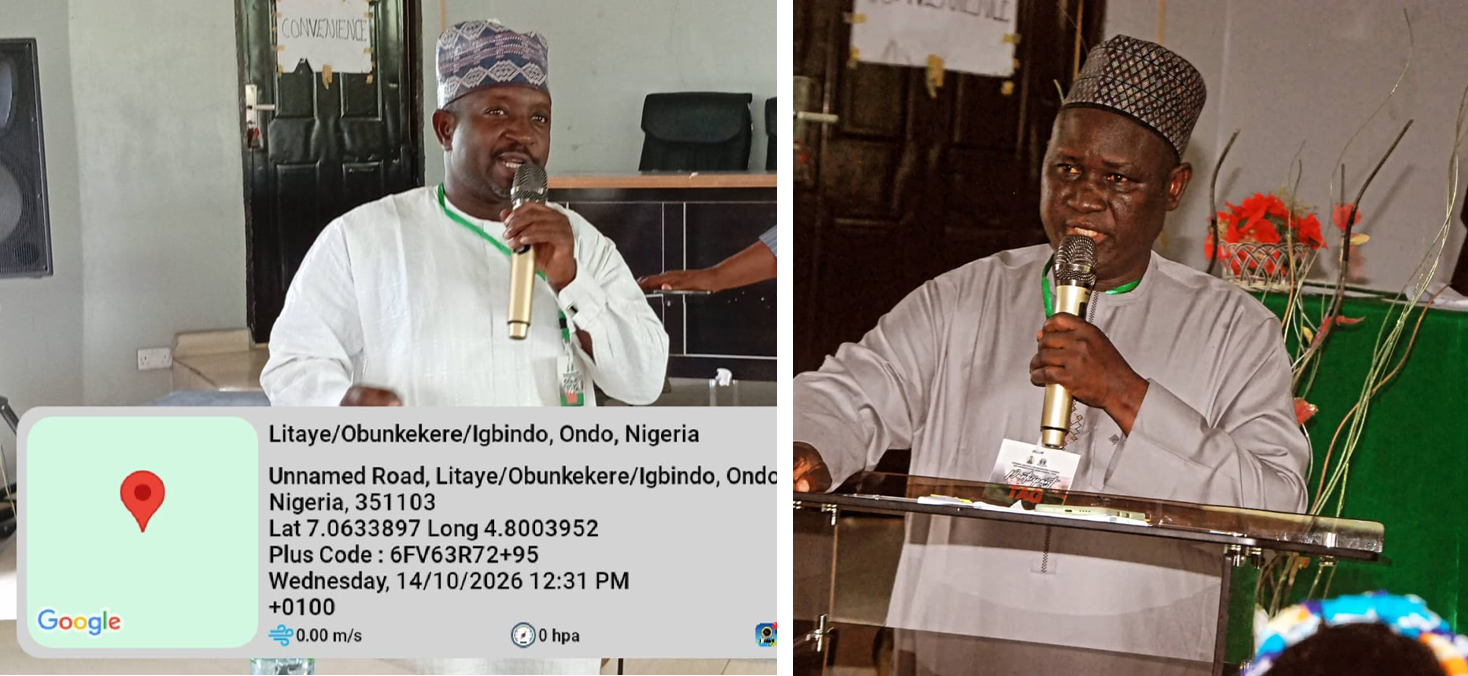
In its communiqué, the conference recommended the institutionalisation of a national Digital Education Quality Assurance Framework, interoperability between existing tools such as FEQAS Collect and UBEC Collect within national data repositories, and the rollout of risk-based inspection models prioritising underserved institutions. Delegates further endorsed a phased 48-month implementation roadmap comprising common school identification codes, standardised evaluation rubrics, continuous data literacy training through NIEPA, and the phased deployment of validated, AI-assisted reporting platforms.


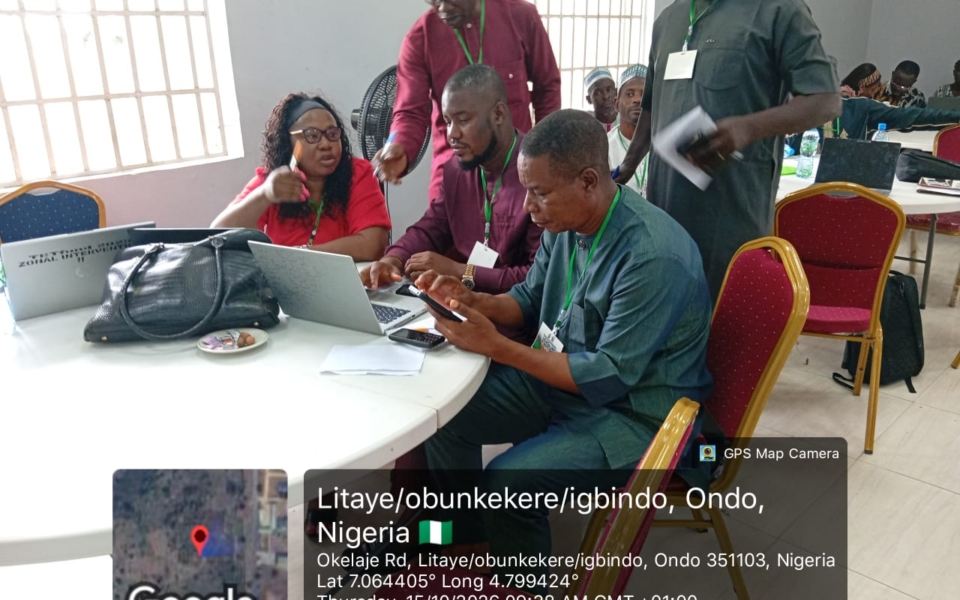
Speaking to newsmen on the institutional milestone, the Chairman of the Local Organising Committee, Dr Opeyemi A-Oyekan, noted that the conference successfully charted a definitive digital pathway for school evaluation in Nigeria.
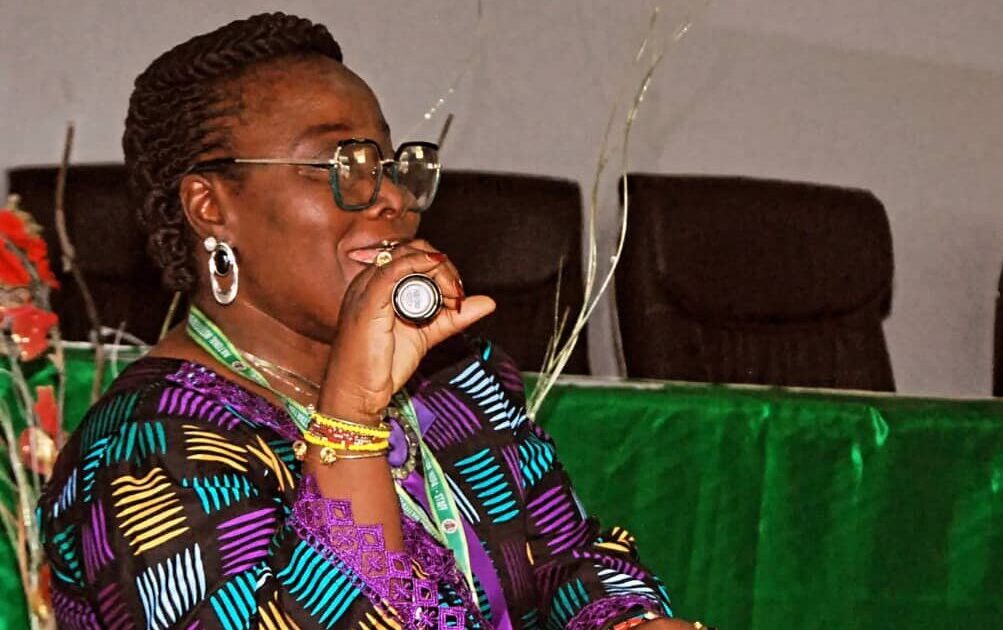
She affirmed that NIEPA will sustain its technical backstopping and capacity-strengthening interventions across ministries, departments, and agencies to ensure that the actionable outcomes of the conference translate into measurable improvements in classroom instruction and educational quality nationwide.